Ceramics
How to Identify Authentic Pesaro Maiolica by Marks and Painting
How to identify authentic Pesaro maiolica by Sforza marks, Casali e Callegari rose painting, later copies, and verified auction results today.

Search the collection
Titles, descriptions and article text — try a maker, mark or material.
Italian antique ceramics are mostly tin-glazed earthenware, called maiolica, made in workshops rather than a single national factory. Deruta, Faenza, Urbino, Castelli, Caltagirone, Grottaglie and Vietri each have a palette, a repertoire of shapes and a way of finishing the foot. Collectors start with the body: a tin-opacified glaze, brushwork that sank in during the fire, and a rim or foot that was wiped clean before the kiln. Istoriato narrative painting, Deruta and Gubbio lustre, Faenza berettino and the patterned wares of the south are different products and should not be priced as one category. Marks come last. Nineteenth- and twentieth-century workshops reused older devices, and a painted town name on a souvenir plate is not a date. These articles cover town histories, mark-and-construction checks and the copies that followed the Grand Tour and later tourism. Porcelain, a different paste and a factory system, is listed separately.
16 articles
How to identify authentic Pesaro maiolica by Sforza marks, Casali e Callegari rose painting, later copies, and verified auction results today.
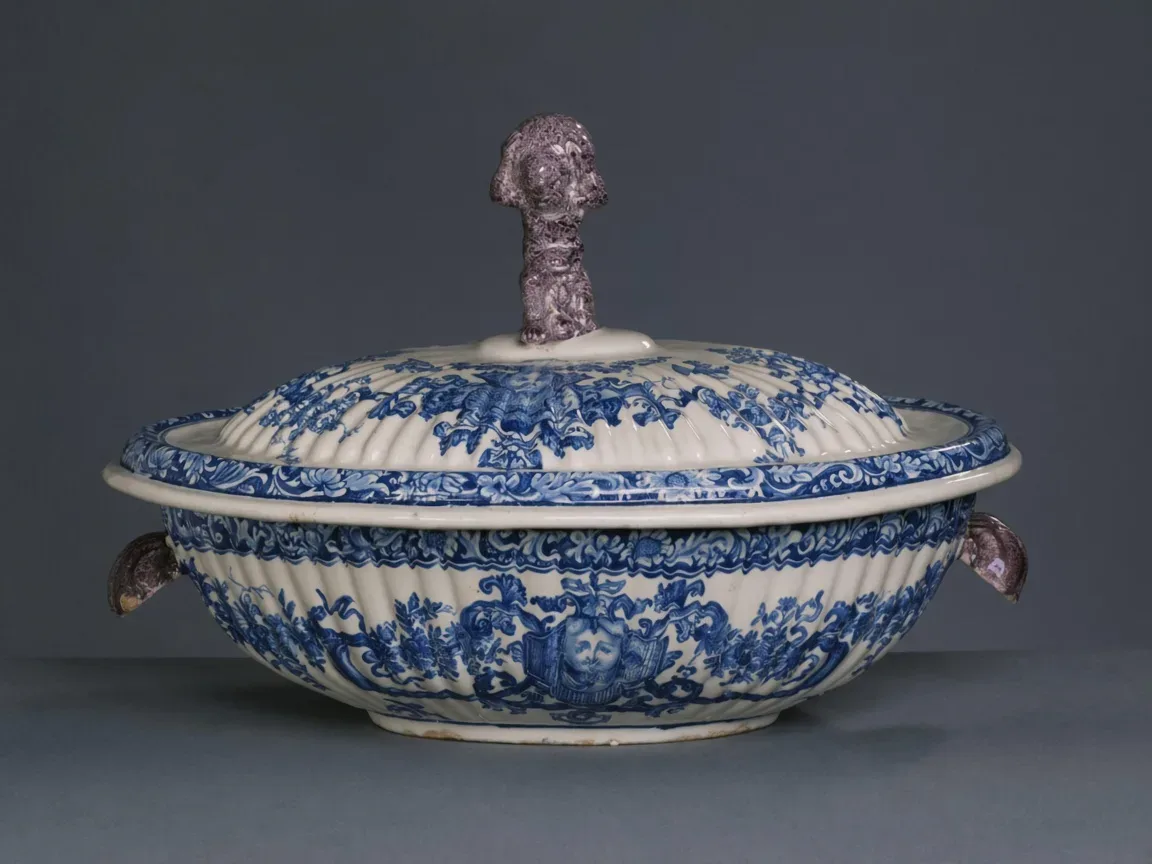
Nove ceramics from the Antonibon factory are dated by paste and marks: tin-glaze maiolica, hard-paste porcelain from 1762, and English-style terraglia.
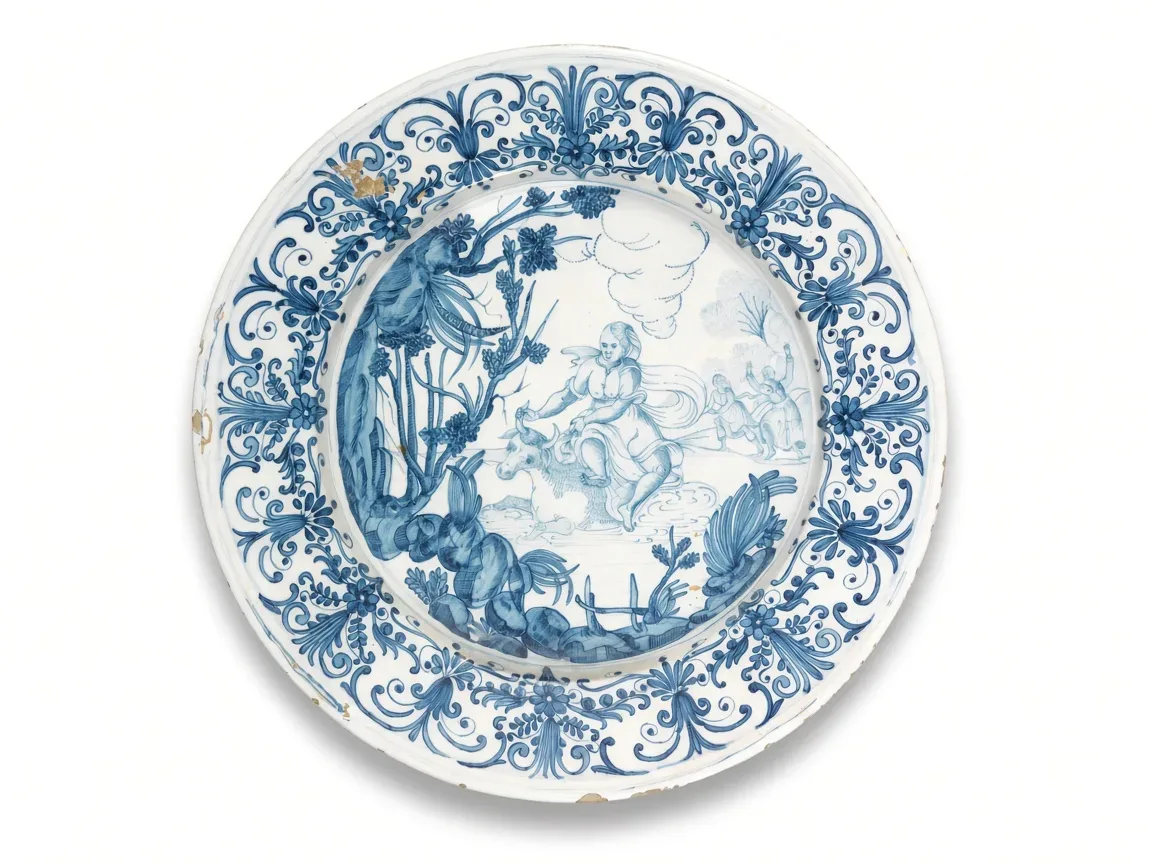
Albisola maiolica of Liguria is identified by lantern, crown and fish marks from the Grosso, Conrado and Pescio kilns of the seventeenth century.
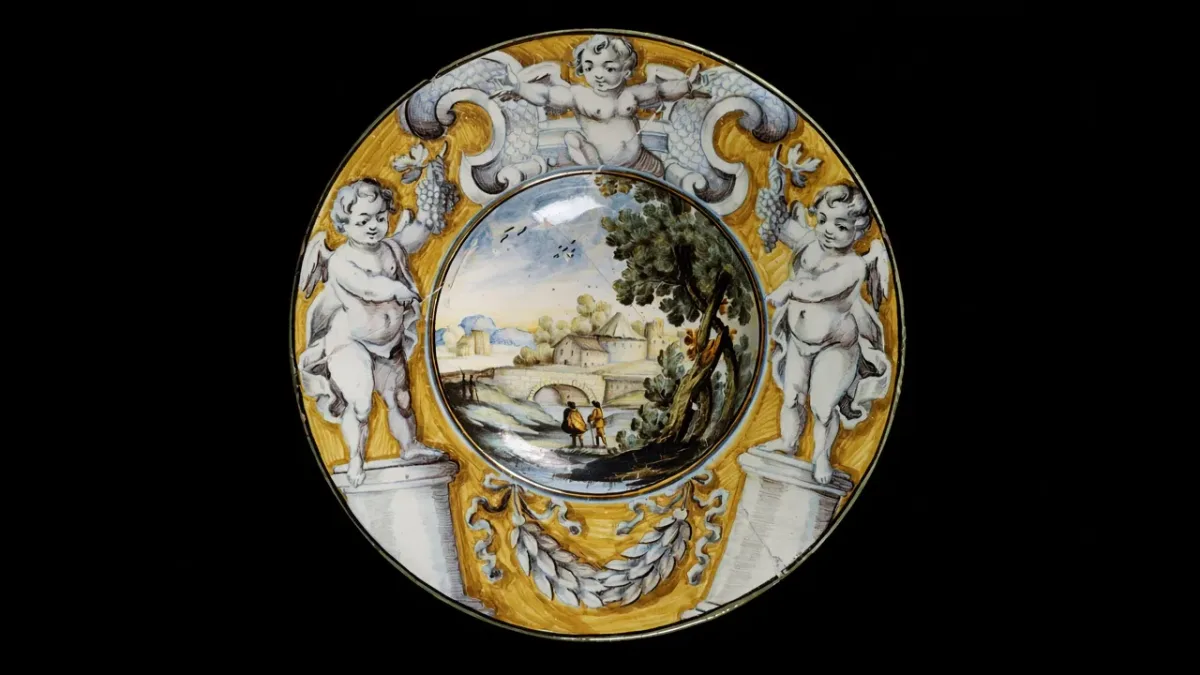
Date Castelli maiolica of Abruzzo by five-colour palette, istoriato landscapes, and the workshop hands of the Grue, Gentili and Fuina families.
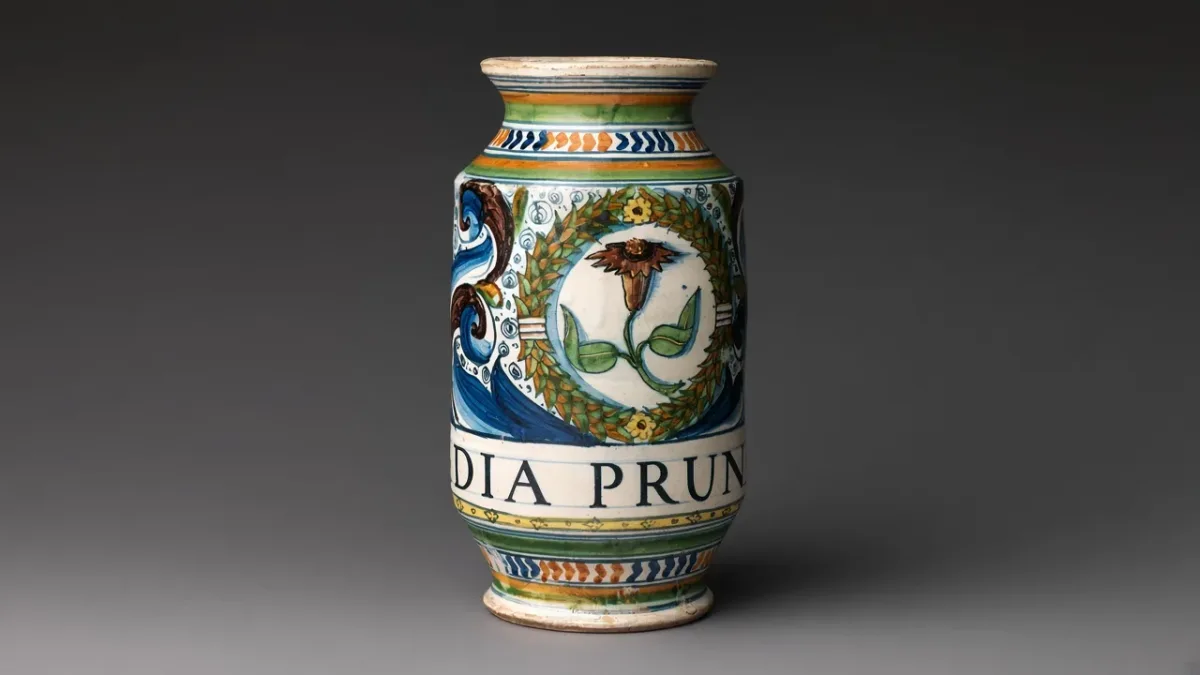
How to identify Italian albarelli by waisted tin-glazed form, pharmacy inscriptions and workshop marks from Montelupo, Deruta, Faenza and Savona.
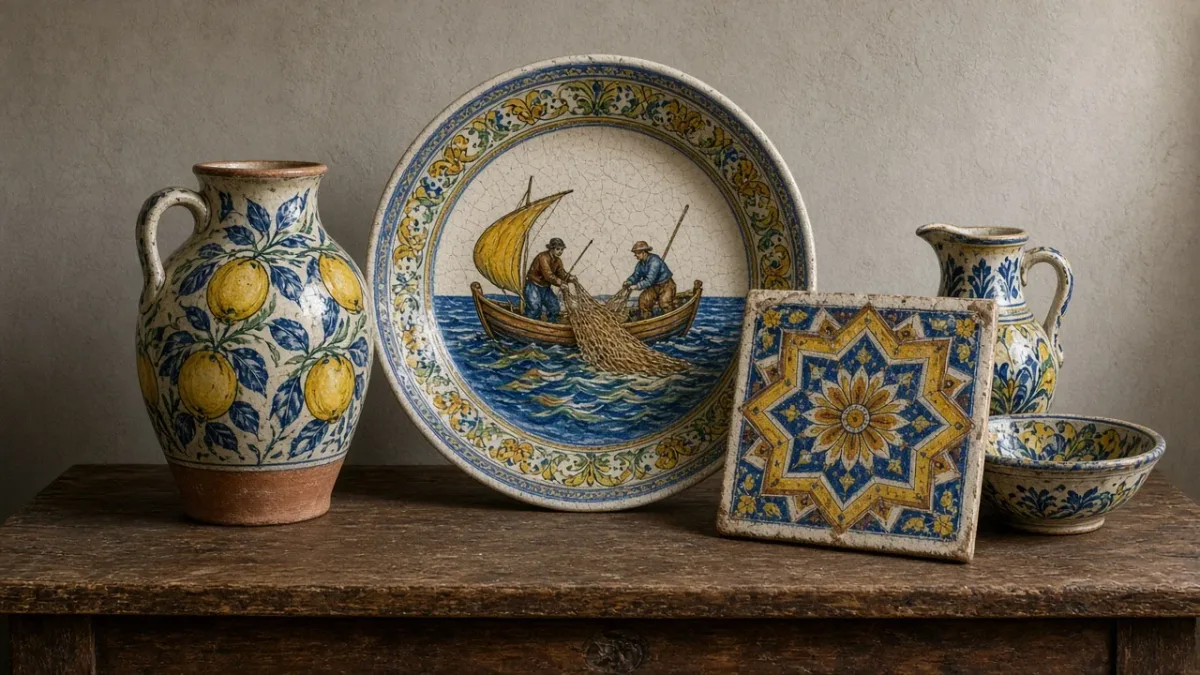
How collectors identify Vietri ceramics by tin glaze, workshop marks and form, from ICS fish marks to later Solimene and Pinto of Vietri sul Mare.
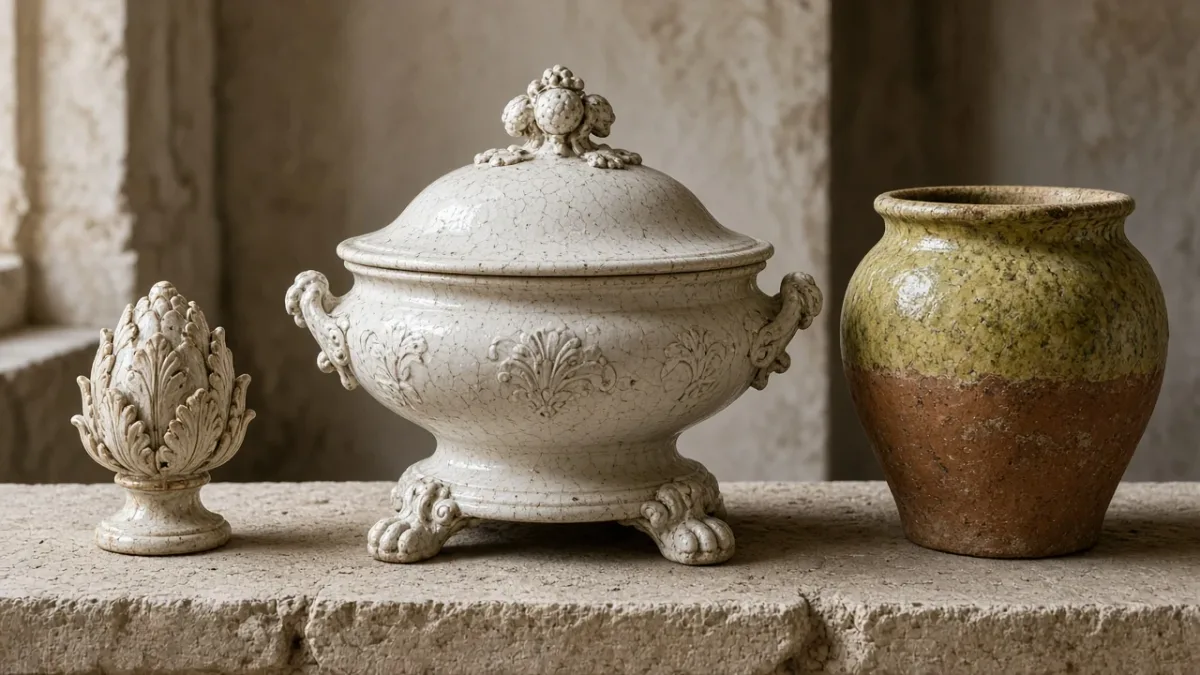
Identify Grottaglie ceramics by workshop marks, tin-glaze whites, rustic capasoni and historic forms from the potters' quarter at Grottaglie, Puglia.
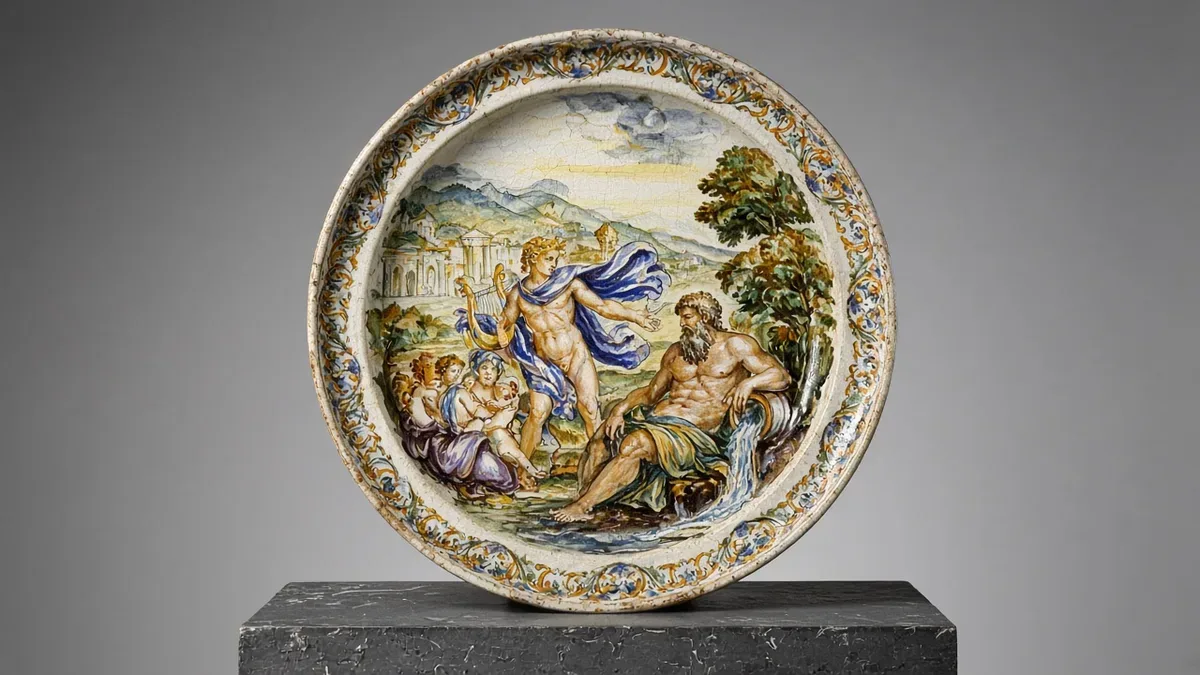
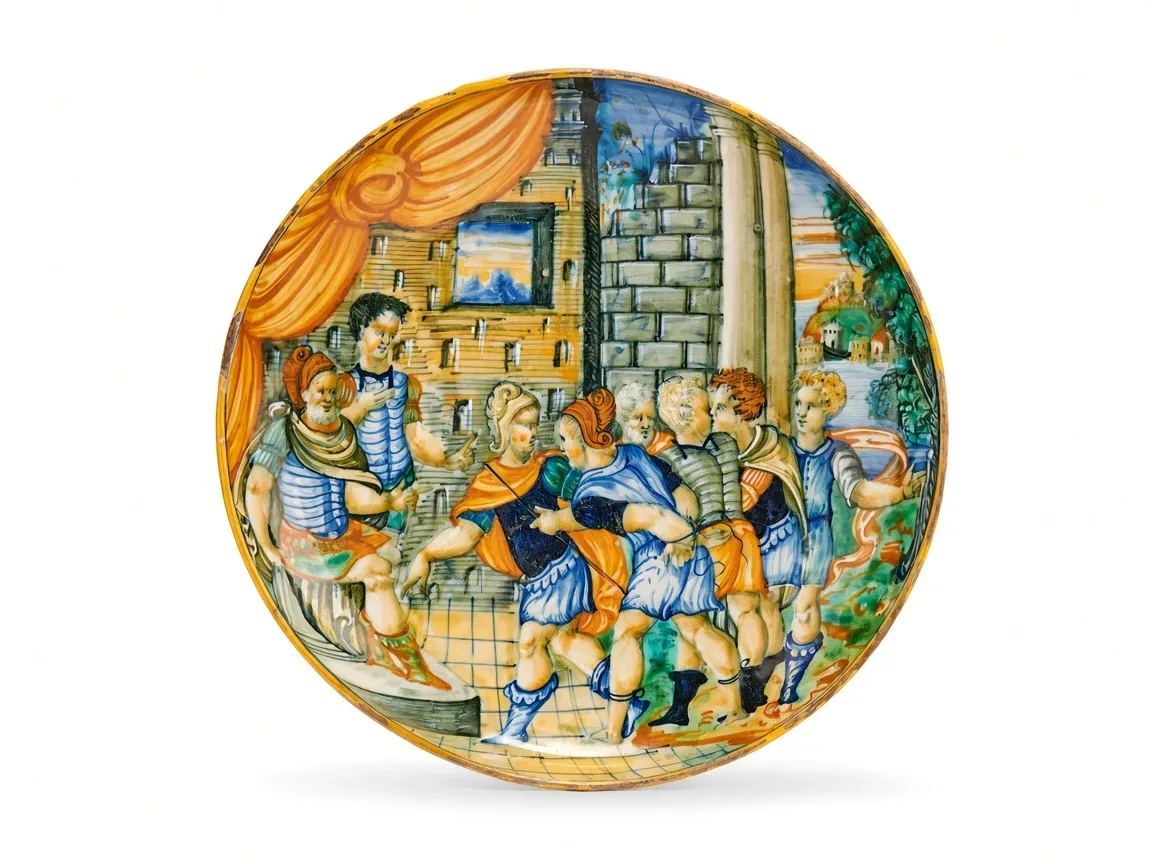
Dating Urbino maiolica by reverse inscriptions, workshop marks, tin-glaze body and istoriato painting. Nicola, Fontana and Patanazzi compared.
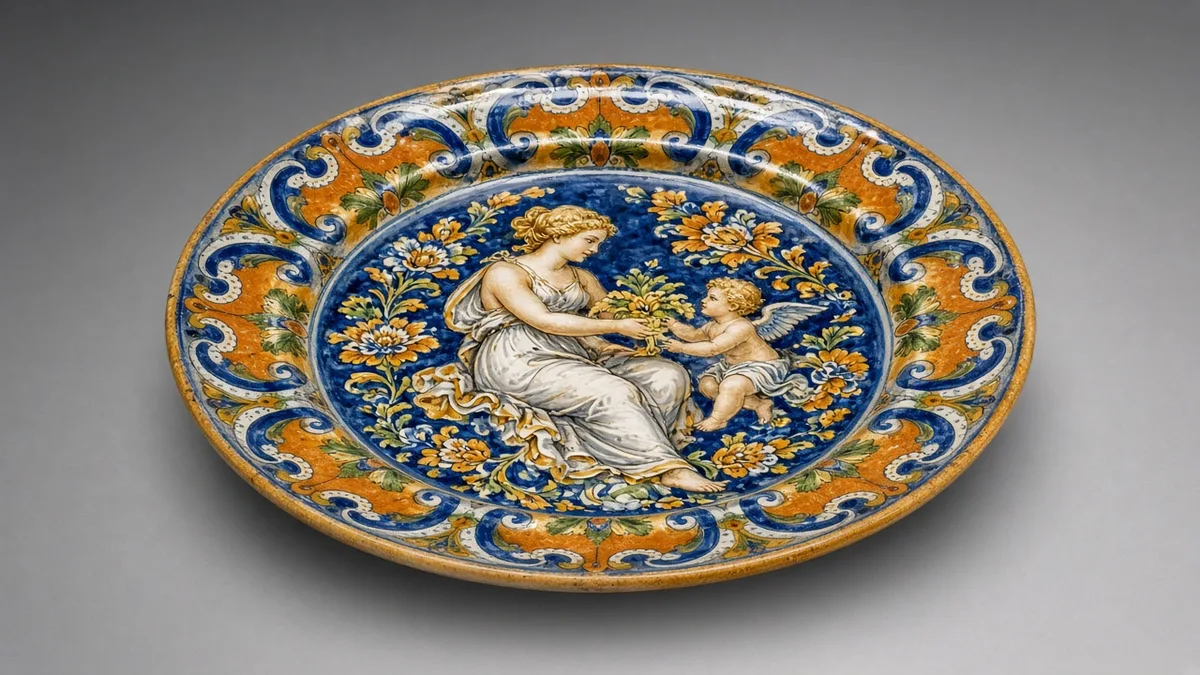
Majolica or maiolica? How collectors should use the terms for Italian tin-glazed earthenware, Faenza’s faïence link, and what Victorian majolica is not.
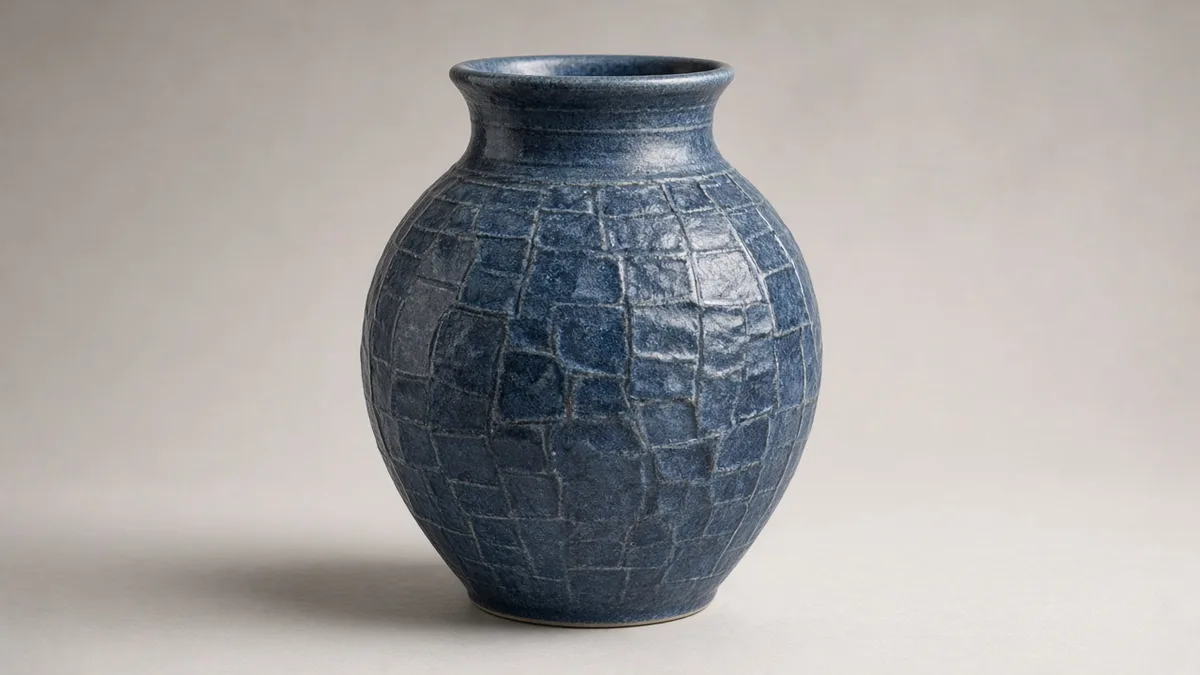
Identify Bitossi ceramics from Montelupo: Guido Bitossi 1921, Aldo Londi’s Rimini Blu from 1959, Sottsass collaboration, and archive clues for collectors.
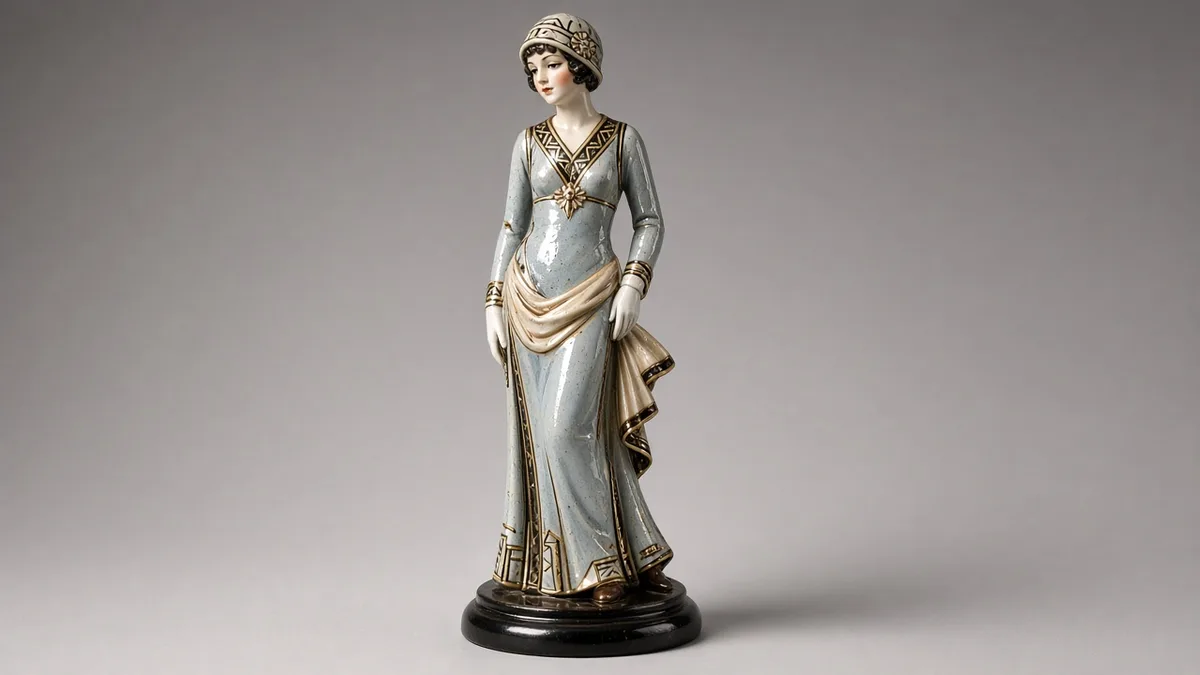
Identify Lenci ceramics from Turin: 1919 founding, 1928–36 Art Deco figurines, artists, marks, and how Musei Reali collections frame authentic pieces.
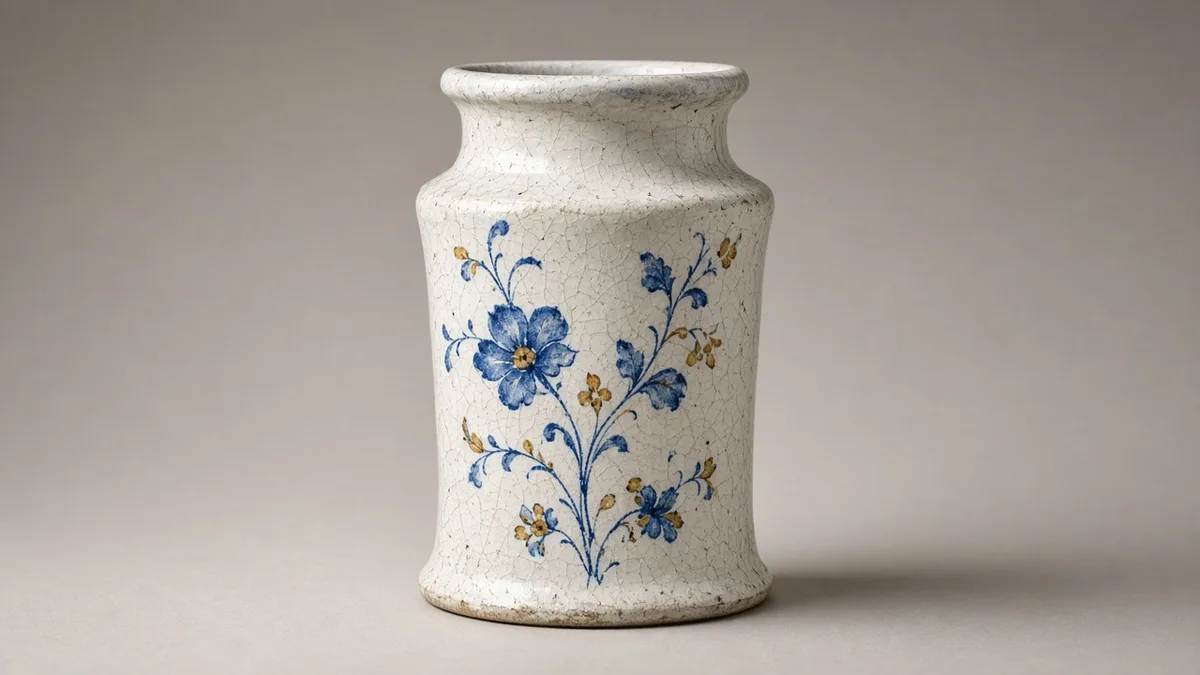
Identify Faenza maiolica by berettino glaze, bianchi di Faenza painting, VR FA and DO PI workshop marks, and later faience lookalikes.
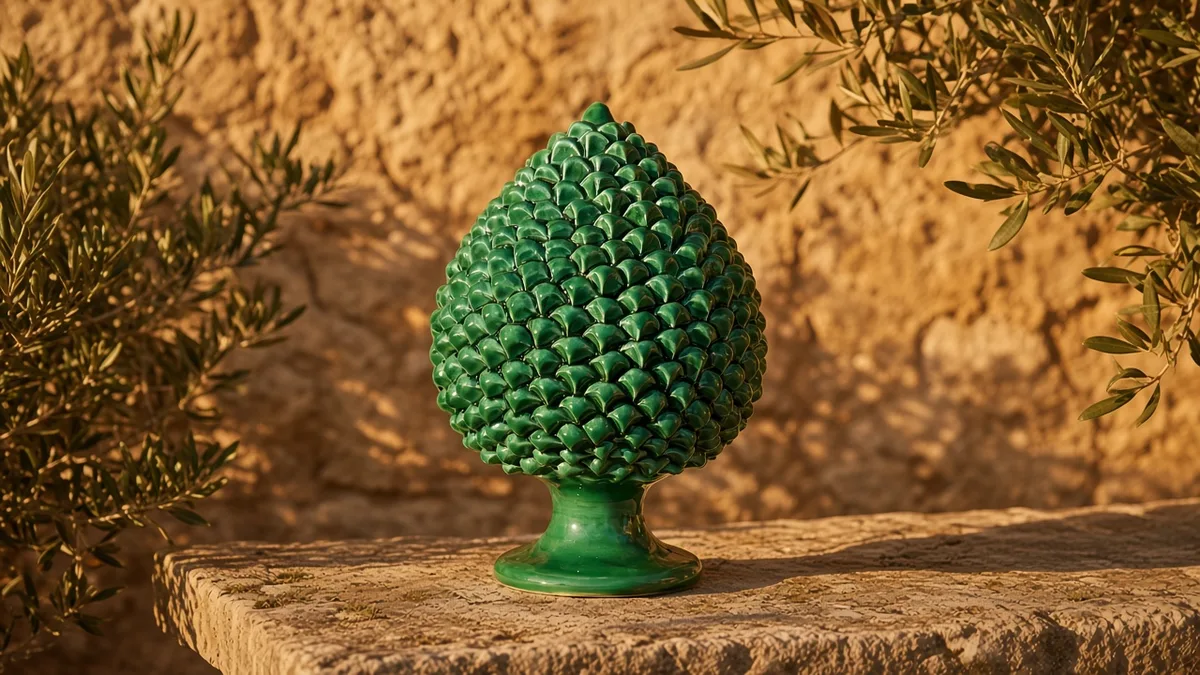
Sicilian ceramic pigna: ancient symbolism, Caltagirone handcraft, fertility meaning, and why these pine cones dominate Mediterranean décor now.
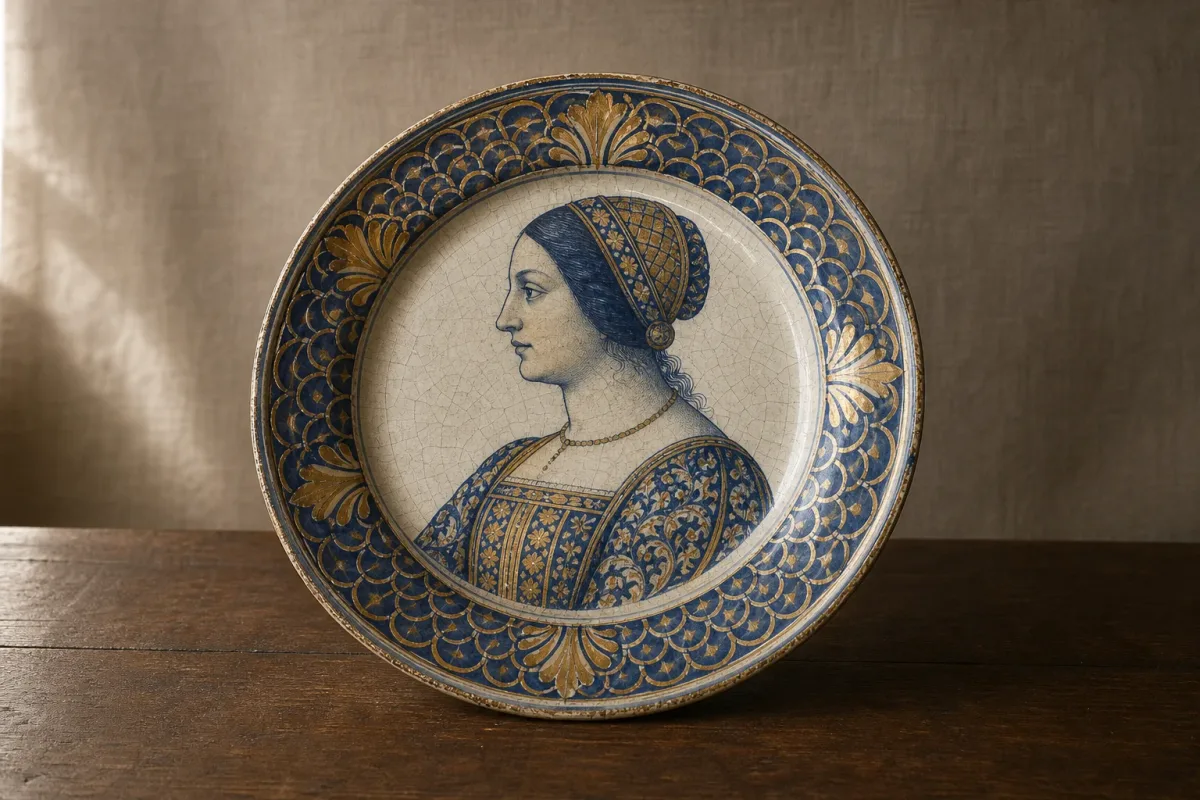
Identify Deruta ceramics: Umbrian maiolica from Renaissance lustre chargers to Ricco Deruta patterns, plus marks and how to date authentic pieces.
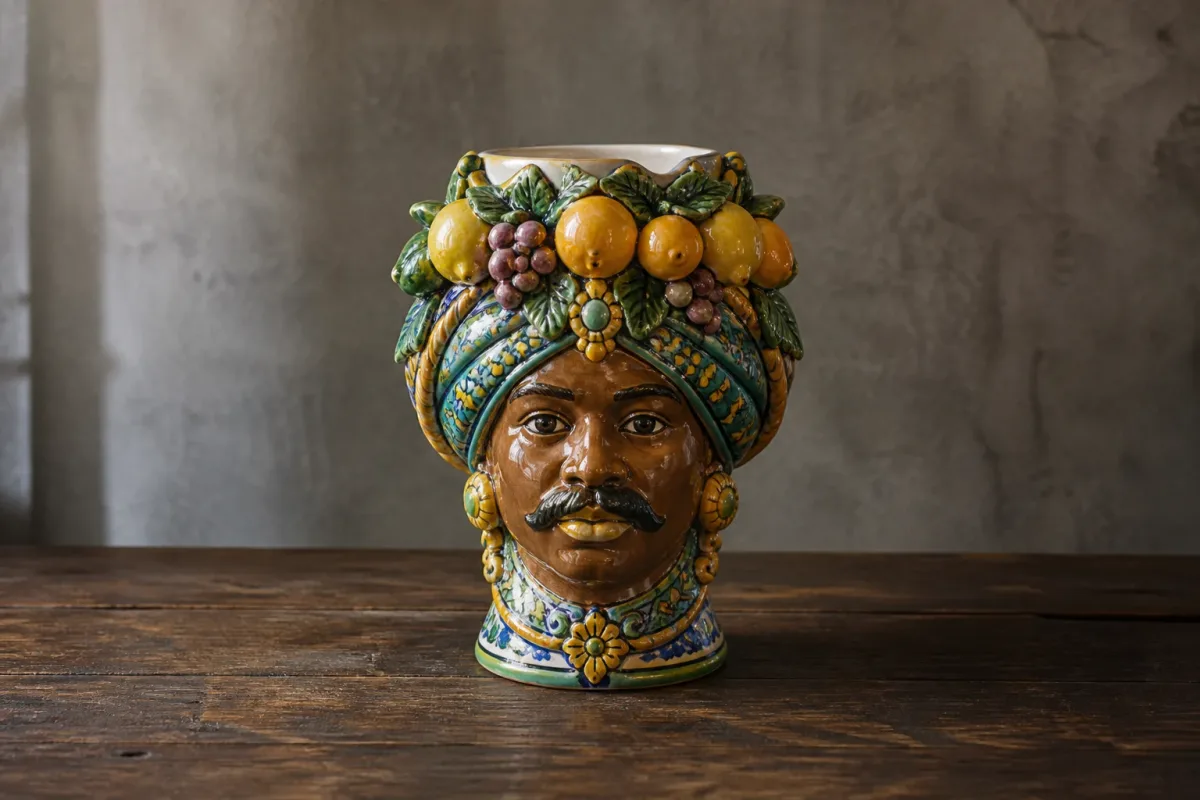
Sicilian Moor's Heads (teste di moro): the Caltagirone legend, how to identify handmade maiolica, and practical collecting advice for buyers.
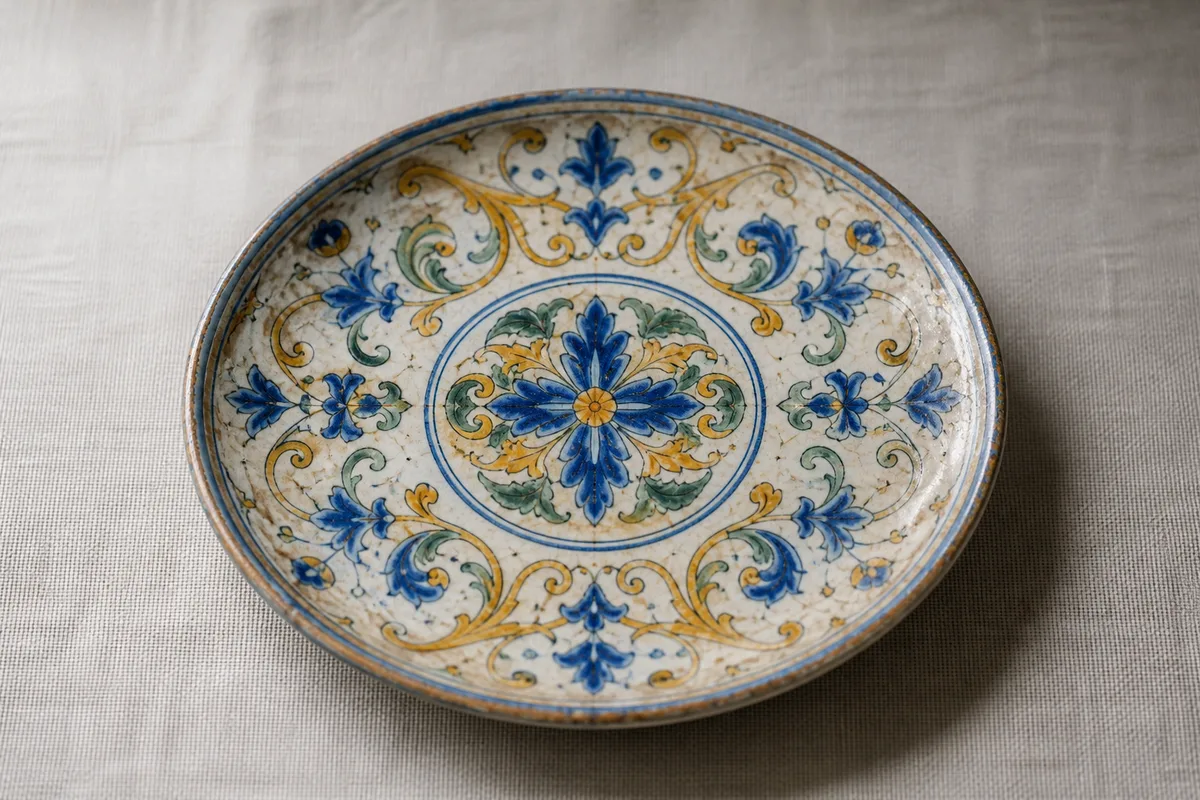
Learn to identify antique Italian ceramics: maiolica technique, major regions from Deruta to Caltagirone, dating clues, and collecting tips for international buyers.