Textiles
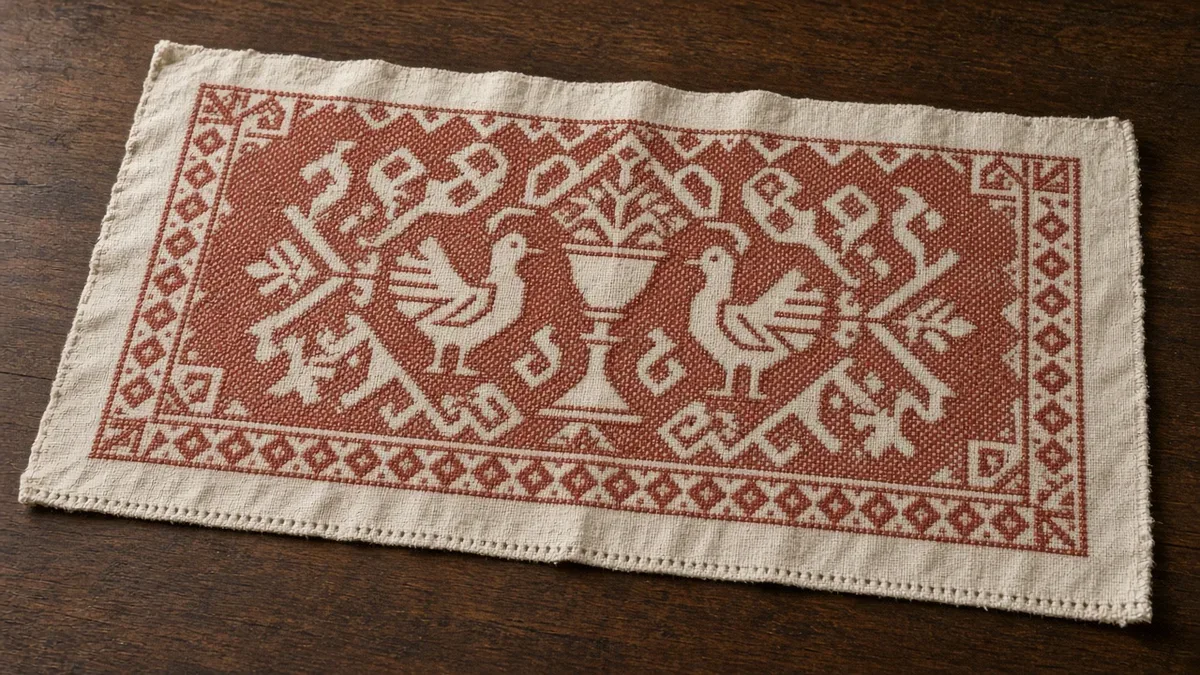
Dating Italian Antique Embroidery by Stitch, Ground and Workshop
Collectors date Italian antique embroidery by stitch, linen ground and workshop: Assisi voided work, Florentine Bargello chairs and Aemilia Ars.

Search the collection
Titles, descriptions and article text — try a maker, mark or material.
Textiles reward a slow look at structure. Burano needle lace, Cantù bobbin lace, embroidered linen and a woven tapestry do not share a technique, and a floral design alone does not place any of them. Lace is read from the ground, the cordonnet and the way the solid parts are filled. Embroidery is read from the stitch on the front and the path of the thread on the back, which later copies often get wrong or hide with a lining. Tapestry is a weave: warps, weft ribs, slits and the border that was finished with the field, not sewn on afterwards. Italian ecclesiastical embroideries and domestic bed covers also lose their trims and gain new ones. These articles cover how to name the technique before naming a town, and how a nineteenth-century reproduction of an earlier pattern sits differently in the hand.
4 articles
Collectors date Italian antique embroidery by stitch, linen ground and workshop: Assisi voided work, Florentine Bargello chairs and Aemilia Ars.
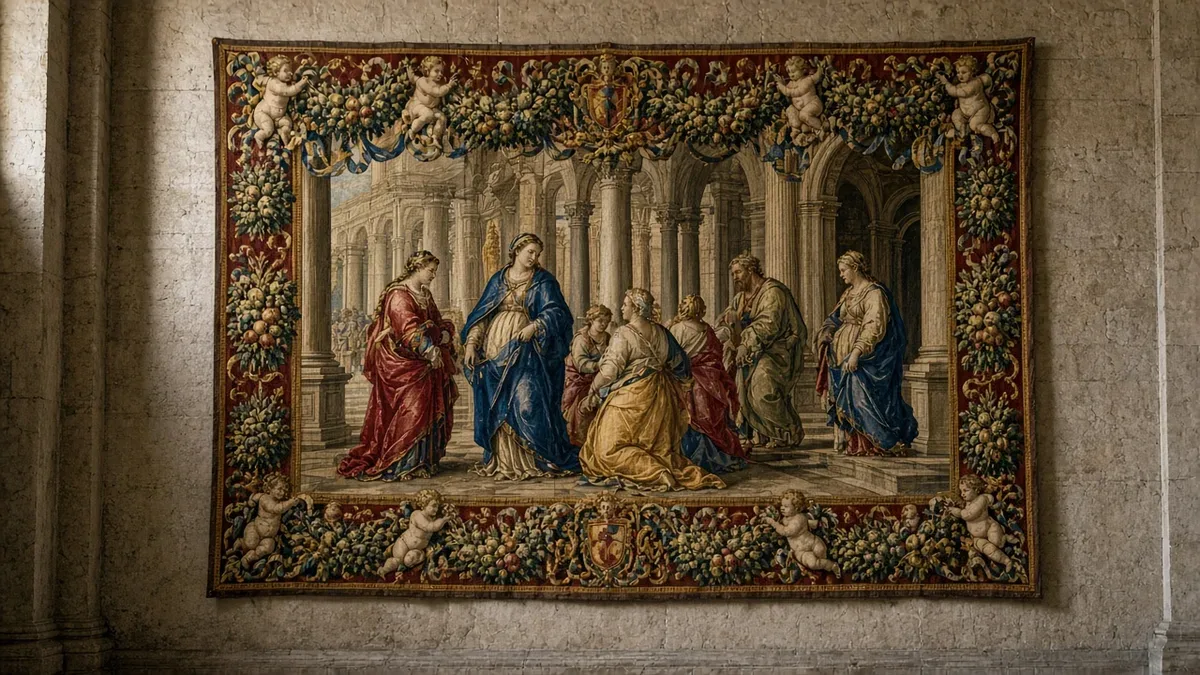
Dating antique Italian tapestries by weave, city marks and borders, from Ferrara and Florence workshops to Barberini Rome and Bourbon Naples.
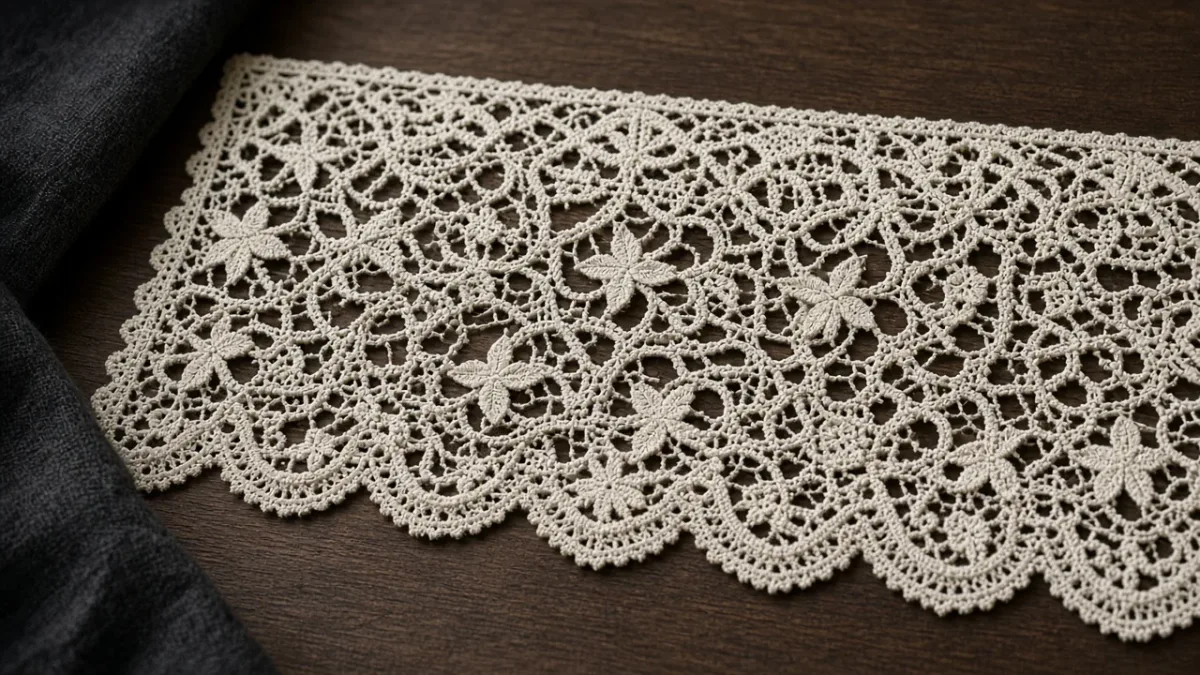
Identify antique Cantù lace by bobbin construction, cartina pinholes and classic grounds. Separates handmade Lombard work from machine imports.
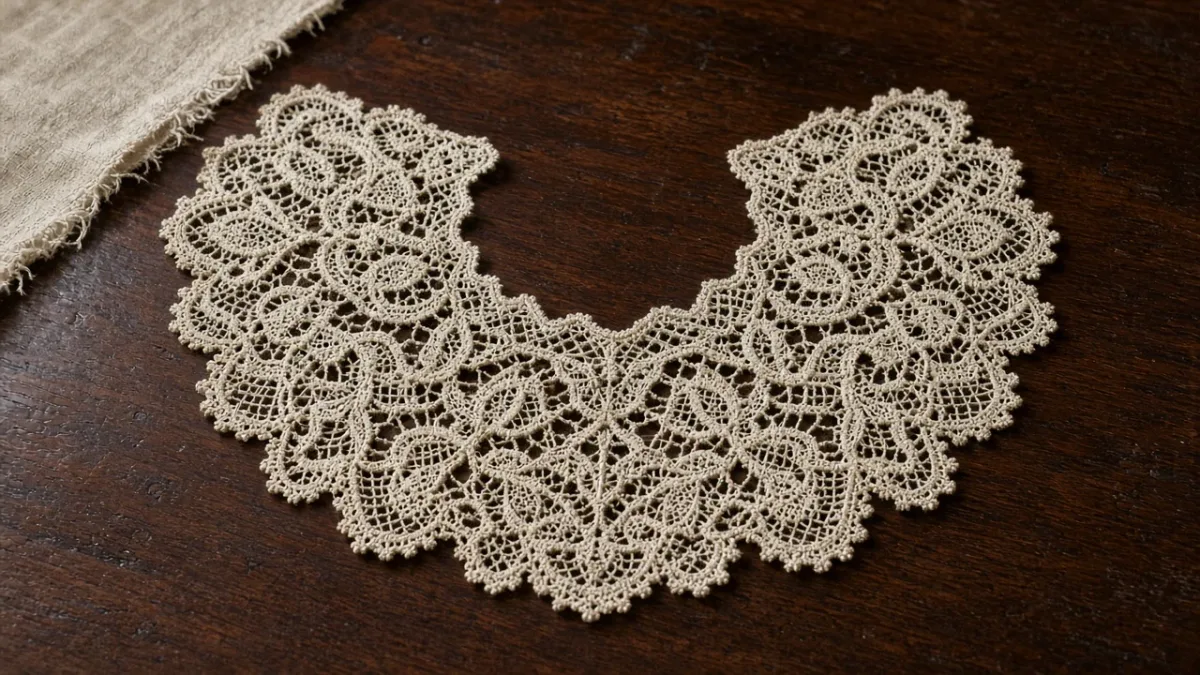
Identify antique Burano lace by punto in aria, the 1872 school revival, and handmade versus machine stitches. A collector identification guide.