Metalwork
Venetian Bronze Andirons, Knockers and Foundry Marks
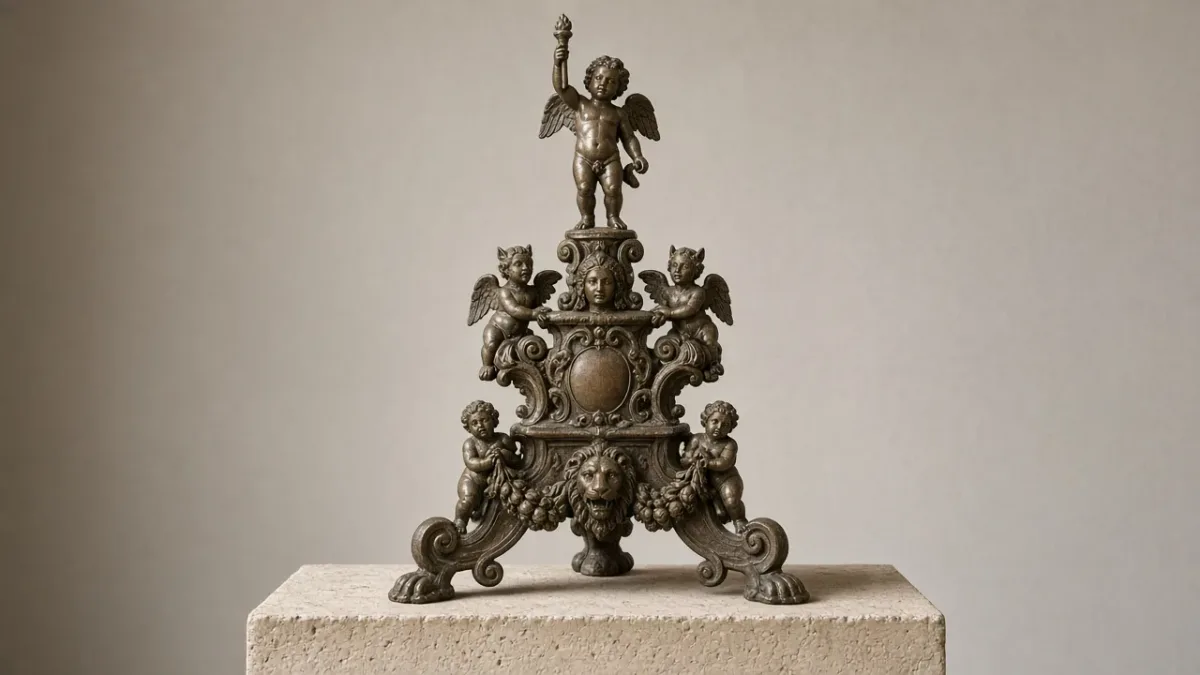
Venetian bronze andirons and door knockers are identified by sectional casts, Roccatagliata putti models, and later Vittoria-type replica casts.

Search the collection
Titles, descriptions and article text — try a maker, mark or material.
Metalwork on this site is the bronze, brass, copper and iron that is not silver and not jewelry. Venetian firedogs and door knockers, gilt-bronze mounts, and the small casts sold as Grand Tour bronzes all belong here, and they are identified by casting, not by a hallmark system. Look at the metal colour in a worn edge, the way a core was supported, the seams of a sand cast and the quality of the chasing. A thin gilt surface over bronze is not ormolu by wish, and a black patina can be a week old. Weight should match the section: a hollow door knocker and a solid reproduction do not feel the same. Gilt mounts on furniture are easy to move from one carcass to another, so the mount and the wood need to be read together. These articles treat foundry practice and the mounts themselves.
3 articles
Venetian bronze andirons and door knockers are identified by sectional casts, Roccatagliata putti models, and later Vittoria-type replica casts.
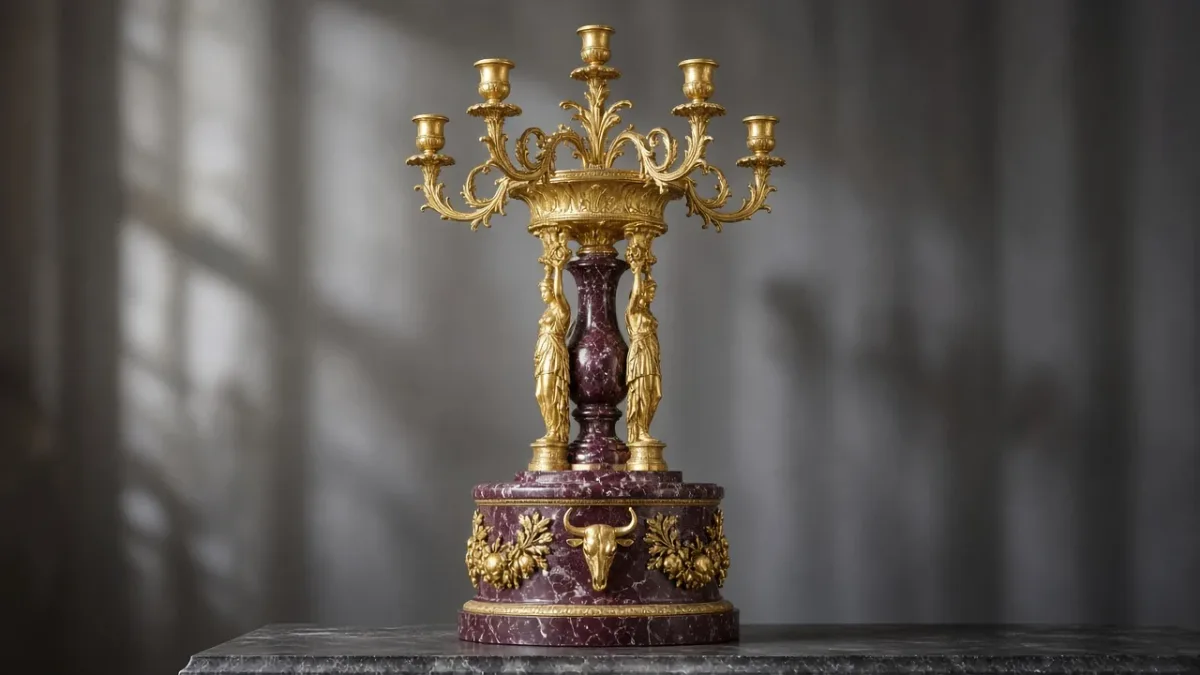
Italian gilt bronze from Rome is identified by Valadier accounts, Righetti signatures, and fire-gilding, not by the hallmarks used on silver.

A collector's guide to antique Italian bronze: Renaissance bronzetti, Padua and Florence, later casts, patina, and how to tell workshop from tourist copy.