Prints
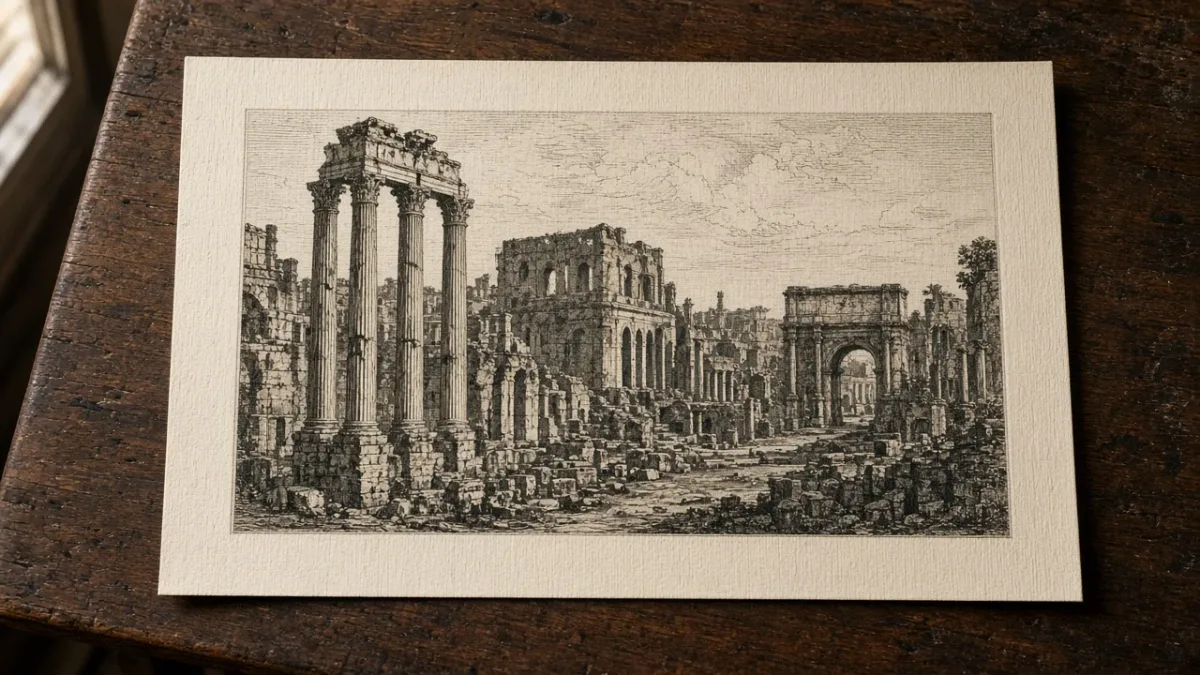
Antique Italian Engravings of Rome and Venice
Collectors identify antique Italian engravings by publisher address, plate mark and paper, from De Rossi in Rome to Remondini in Bassano del Grappa.

Search the collection
Titles, descriptions and article text — try a maker, mark or material.
An Italian print is a sheet pulled from a plate or a block, and the sheet is half of the evidence. Copperplate engravings of Rome and Venice, views sold to travellers, and maps with an imprint all need the same discipline. Look for a plate mark, the bite of the line, a watermark that can exist for that paper, and an inscription that belongs to the state you are shown. A title in a later type, a bright sheet with no pressure mark, or a margin that has been trimmed through the address are ordinary problems, not details. Maps in particular were reprinted for decades from the same plate, so the date in the title is not always the date of the pull. Colour is often later. These articles cover how to read an Italian engraving and an antique map from the paper up.
2 articles
Collectors identify antique Italian engravings by publisher address, plate mark and paper, from De Rossi in Rome to Remondini in Bassano del Grappa.
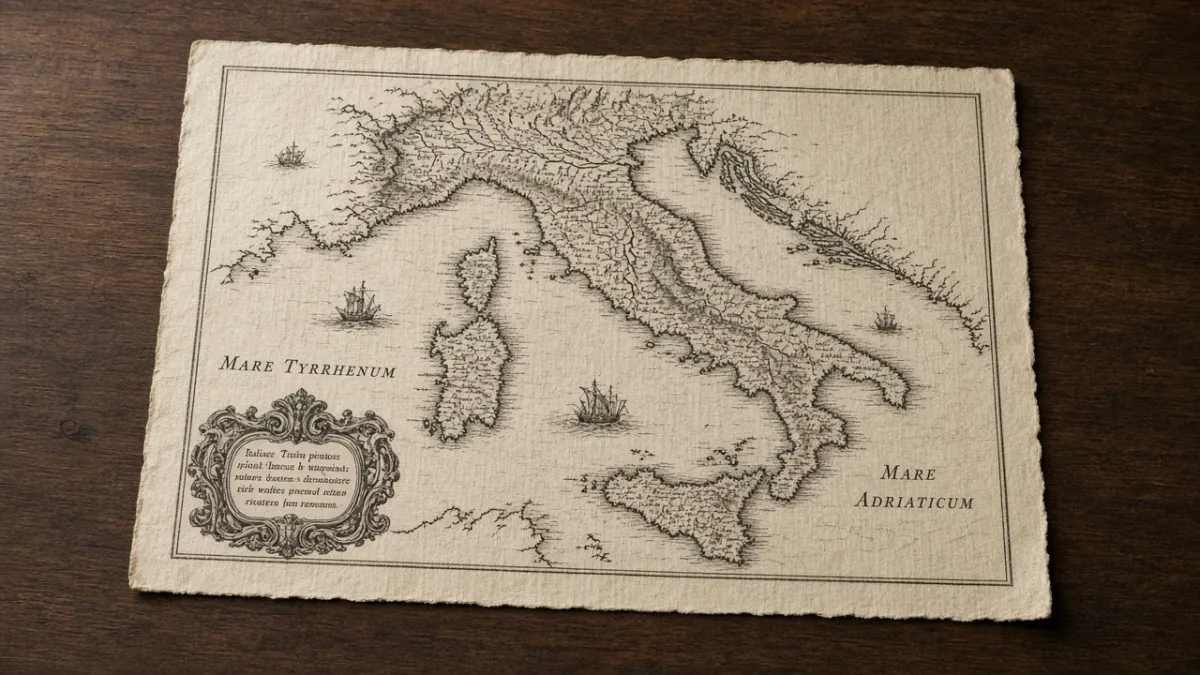
Collectors date antique Italian maps by imprint, paper and plate mark, from sixteenth-century Lafreri sheets through Magini, Coronelli and Zatta.