
Lenci Pottery Guide: Turin Art Deco Figurines & Marks
Identify Lenci ceramics from Turin: 1919 founding, 1928–36 Art Deco figurines, artists, marks, and how Musei Reali collections frame authentic pieces.
Lenci Ceramics: Turin Art Deco Figurines and How to Spot Them
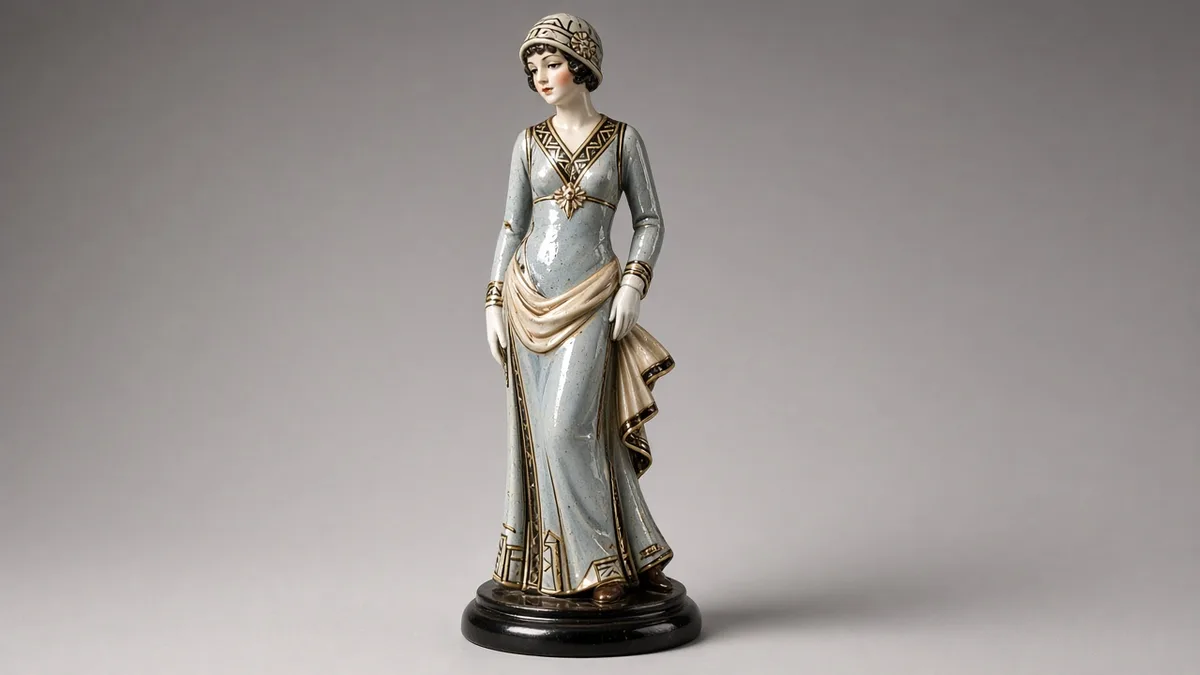
Lenci is the Turin manufactory collectors meet as brightly glazed Art Deco figurines—elegant women, masks, animals—often far from Piedmont in estate and auction sales. The firm began in 1919 with felt dolls and fashion goods; artistic earthenware (terraglia smaltata) followed in the late 1920s. Authentic pieces belong to a short, intense design culture that Musei Reali Torino now presents as a permanent collection.
For broader Italian ceramics context, see the Italian maiolica collectors guide. For another twentieth-century Tuscan factory language, compare Bitossi pottery once published in this batch.
From dolls to déco ceramics
Enrico Scavini and Elena König founded the company in Turin after the First World War. The name Lenci comes from Elena’s diminutive, later expanded—via Ugo Ojetti—into the Latin motto Ludus Est Nobis Constanter Industria. Early fame rested on cloth dolls and decorative soft goods; recognitions at Monza (1923) and the Paris Exposition Internationale des Arts Décoratifs (1925) placed the brand inside the “Style 1925” later called Art Deco.
Musei Reali note that the decision to produce glazed earthenware figurines grew from that Paris climate. Public ceramic presentation began around 1928; a 1929 exhibition at Galleria Pesaro in Milan, again tied to Ojetti, framed Lenci as an international decorative phenomenon comparable to contemporary Austrian, German and Danish ceramic studios.
The 1928–1936 core
The Ferrero donation to Musei Reali comprises 132 ceramics from the manufactory’s strongest years, roughly 1928–1936, by seventeen artists. Names repeatedly attached to that phase include Mario Sturani, Sandro Vacchetti, Gigi Chessa, Felice Tosalli, Giovanni Grande and Teonesto Deabate, among others. Subjects run from modern feminine types to myth, masks and animals—exactly the motifs collectors still chase.
By the early 1930s the factory employed hundreds of workers. The 1929 crash strained sales; Pilade Garella entered as partner in 1933 and became sole owner by 1937, ensuring survival under the Garella family for decades. Ceramic production continued long after, but the museum-quality déco band remains the dating sweet spot for serious attribution.
Identification habits
1. Body and glaze: Lenci art ceramics are glazed earthenware with saturated, even colour—not soft-paste porcelain like Doccia.
2. Base marks: look for painted or stamped Lenci / Torino forms and period signatures; photograph every mark before cleaning.
3. Model language: elongated déco silhouettes, stylised hair and theatrical props beat generic “Italian figurine” poses.
4. Artist overlap: designer names help when documented; unsigned pieces still need glaze and modelling consistent with museum comparanda.
5. Copies: 1930s success bred imitators; thin paint, crude mould seams and anachronistic bases are warnings.
FAQ
When did Lenci start making ceramics?
Felt goods from 1919; artistic glazed ceramics from the late 1920s, with the celebrated museum band centred on 1928–1936.
What does LENCI stand for?
Ludus Est Nobis Constanter Industria, the Latin expansion of Elena’s nickname used as company motto.
Are Lenci dolls the same market as the figurines?
Related brand, different materials. This guide concerns glazed ceramic sculpture and tabletop figures, not cloth dolls.
Conclusion
Lenci dating for collectors is a Turin déco problem: 1919 brand origin, ceramic launch after Paris 1925, and a dense 1928–1936 artist culture now anchored by Musei Reali. Match glaze, modelling and marks to that band before paying “Lenci” prices for later or imitative earthenware.
What the Musei Reali collection proves
The Ferrero gift is not a random assortment of pretty figurines. Musei Reali present it as evidence of Turin between the wars: Fordist industry beside luxury craft, fashion and avant-garde interiors. Dating a Lenci ceramic against that collection means comparing silhouette, glaze saturation and subject families—women, myths, masks, animals—not merely hunting a painted name.
Artists moved between painting, graphics, stage design and ceramic modelling. A Sturani or Vacchetti attribution should rest on documented models or very close museum parallels. Unsigned pieces can still be Lenci-period if the clay, glaze and modelling language match; the reverse is also true: a forged “Lenci Torino” mark on a soft tourist body fools only the hurried.
Marks, moulds and afterlife
Period marks vary in neatness. Photograph every side of the base. Mould seams on legs and arms should be cleaned in the factory manner of the time, not left as sharp modern flanges. Repainted faces are common; ultraviolet light and magnification help separate original glaze from later enamel touch-ups.
After Garella ownership, production continued for decades. Later Lenci ceramics can be collectible, but prices for the 1928–1936 museum band should not automatically transfer to 1960s output. State the decade you mean.
Market pitfalls
Estate sales often group “Italian figurines” without factory names. Separate Capodimonte-style porcelain lace figures, Lenci earthenware déco and anonymous mid-century chalkwares before bidding. Porcelain lace is a different body and market from Lenci terraglia. If a seller only offers front photos, wait for base images.
Care
Avoid soaking; water can creep under craze lines. Dust with a soft brush. Do not use metal mounts that bite into glazed necks. For insurance, record height, subject, mark transcription and a reference to the closest Musei Reali type.
Turin context without brochure language
Musei Reali stress Fiat-era industry beside luxury craft. That tension explains Lenci's dual identity—fashionable dolls and serious glazed sculpture. Collectors who only know the figurines miss why marks and mottoes matter: they brand a multi-product Turin house, not a single kiln.
Cultureimpresa's industrial documentation of employment growth, the move to via Cassini, and the 1933 Garella rescue supplies the business timeline behind museum aesthetics. Use it when a seller claims continuous "1919 art ceramic" production without distinguishing felt goods from glazed terraglia.
Internal links: for tin-glaze Renaissance bodies that sellers confuse with Lenci, return to the maiolica terminology essay and Faenza/Deruta guides rather than forcing a déco figurine taxonomy onto older pottery.