Sculpture
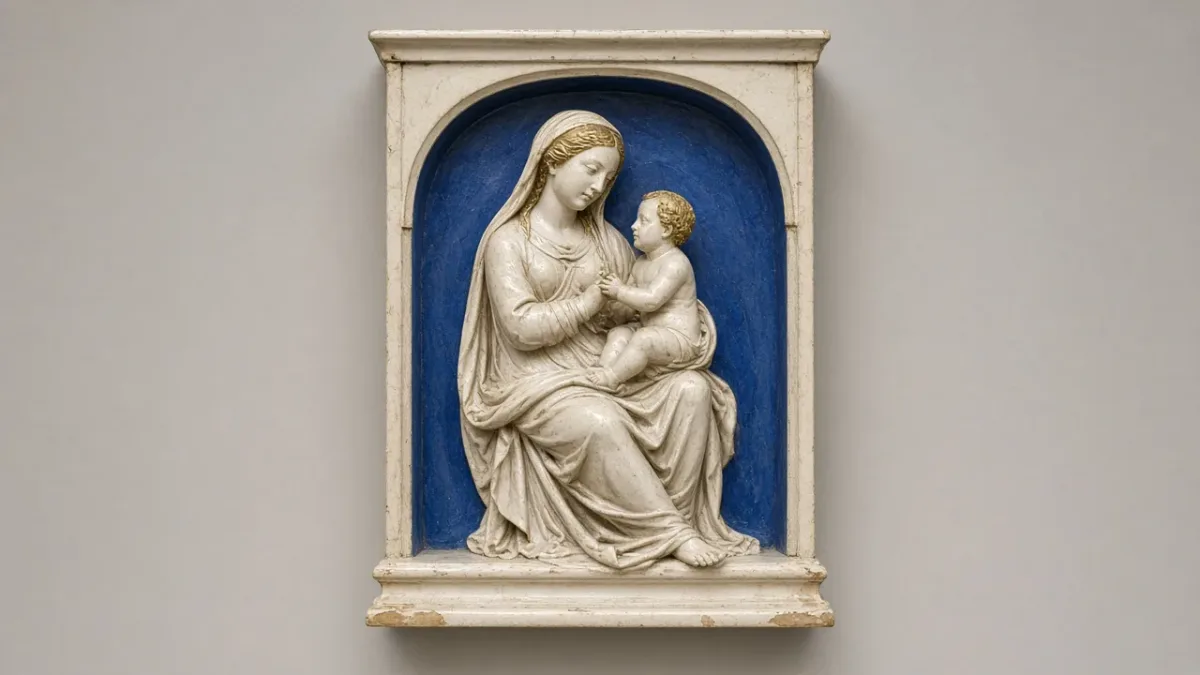
Authentic vs Later Italian Terracotta: Fired Clay, Glaze and Casts
Collectors tell authentic Italian terracotta sculpture from later casts, revival glazes and painted plaster by clay body, firing and surface.

Search the collection
Titles, descriptions and article text — try a maker, mark or material.
Italian sculpture in the collecting trade runs from marble and terracotta to the alabaster of Volterra, and the test is the making, not the subject. A neoclassical marble figure from Rome or Carrara shows tool marks that a pointing machine and a later copy do not share. Terracotta keeps fingerprints, firing cracks and a hollow that should match the walls. Alabaster is soft, translucent and easily recut, which is why so many “Renaissance” reliefs are nineteenth-century workshop pieces with a convincing skin of wax and dust. Saints, angels and portrait busts were produced in numbers. A famous model can be honest workshop repetition or a much later cast from a mould taken off the original. These articles look at material, tool and surface, including the bases and iron fittings that are often replaced.
2 articles
Collectors tell authentic Italian terracotta sculpture from later casts, revival glazes and painted plaster by clay body, firing and surface.
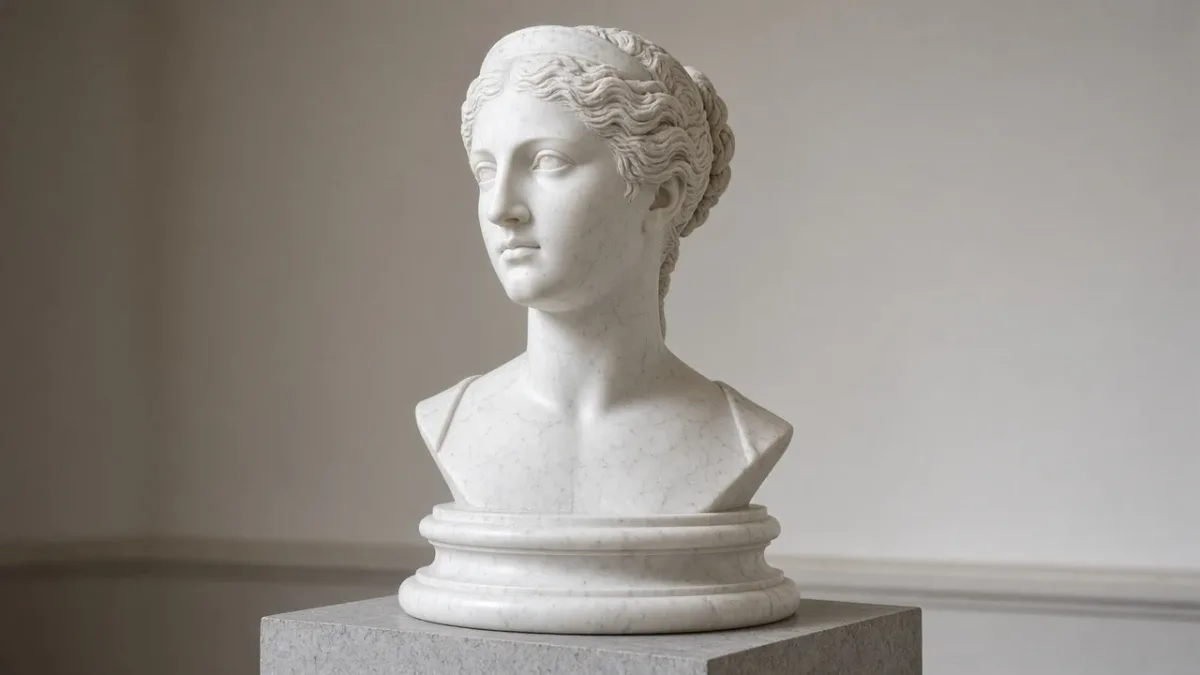
Italian marble sculpture from Rome and Carrara: Carrara stone, Canova's pointing method, Grand Tour copies, and 19th-century workshop signatures.