Furniture
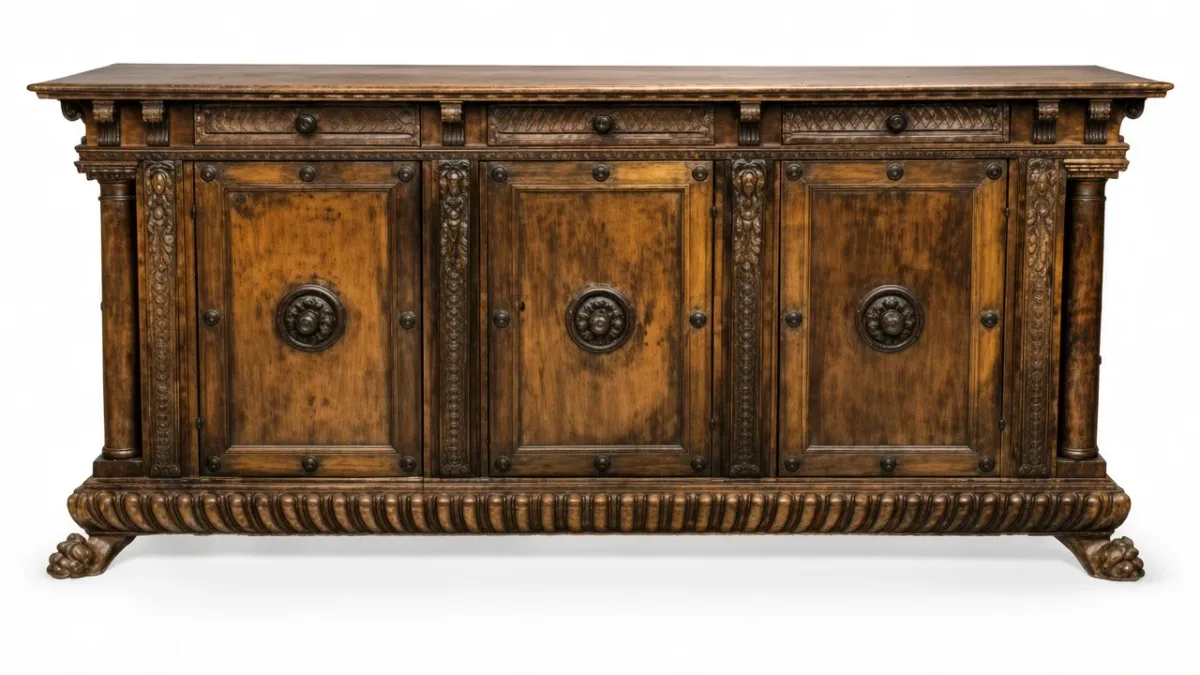
Italian Walnut Credenza Prices at Auction
Italian credenza prices at auction depend on region, walnut and later copies. Verified sale results and how to tell a period cabinet from a revival.

Search the collection
Titles, descriptions and article text — try a maker, mark or material.
Italian furniture is identified from the carcass, not from a carved crest. A cassone, a Florentine walnut cabinet, a Maggiolini commode or a Venetian lacquered piece each has a joint, a timber and a surface that should agree with its claimed century. Renaissance ornament was carved again in the nineteenth century, often on newer wood with crisper edges and screws that do not belong. Look inside. Drawer bottoms, the colour of unseen surfaces, the way a top is fixed and the wear on a runner tell more than a front foot that has been recut. Marquetry is judged by the drawing and the woods, not by a stamped logo. Lacquer is judged by the ground and the cracks, not only by a chinoiserie scene. Mirrors sit between this page and glass: the frame is furniture, the plate may be Murano.
12 articles
Italian credenza prices at auction depend on region, walnut and later copies. Verified sale results and how to tell a period cabinet from a revival.
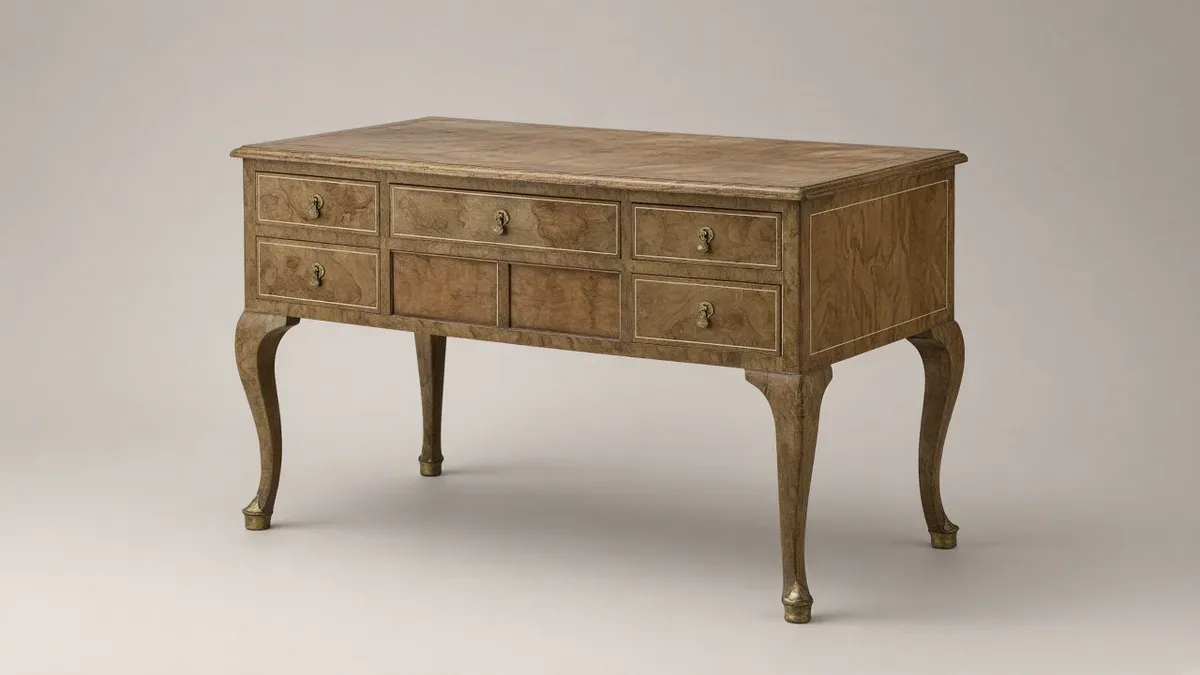
Auction prices for antique Italian writing desks, from Venetian ribalte to Roman centre desks, and how to tell a period bureau from a later copy.
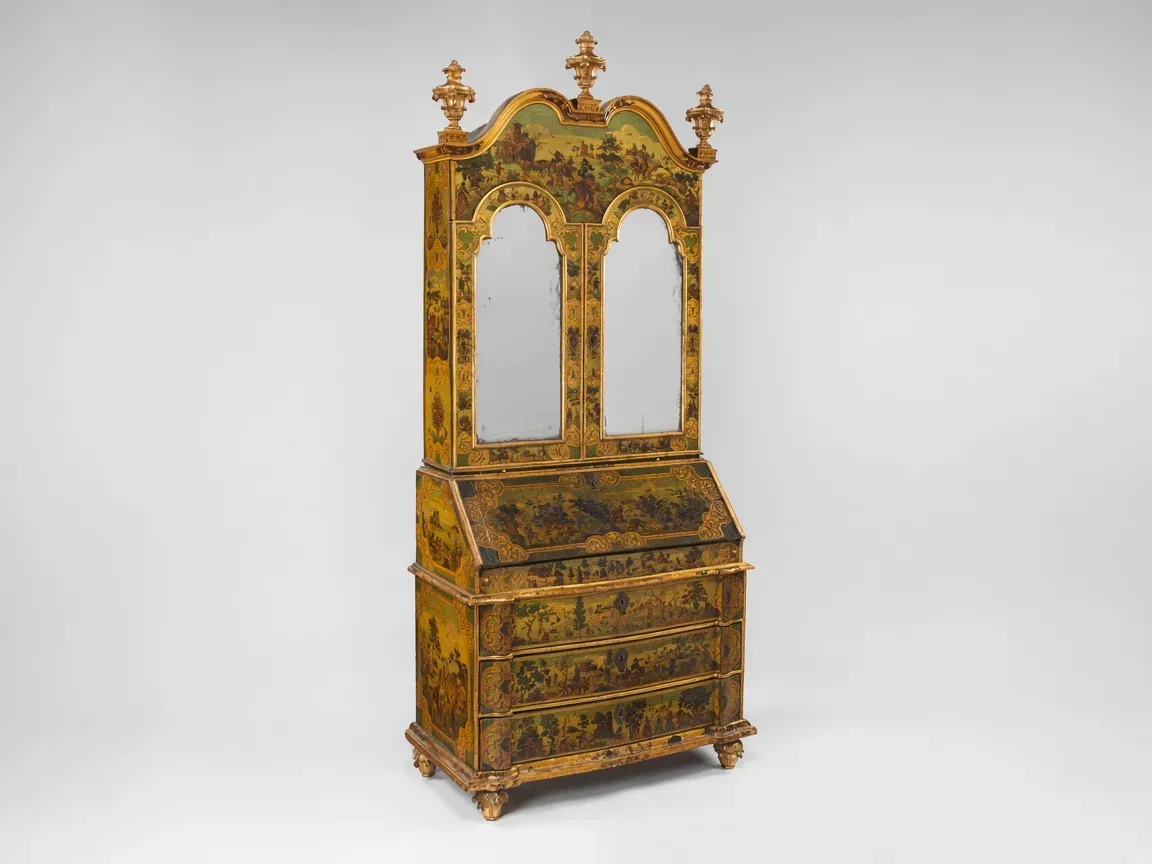
Venetian trumeau cabinets of the eighteenth century are walnut-burl or lacca povera bureau-bookcases. Later copies fail on carcass, glass and mounts.
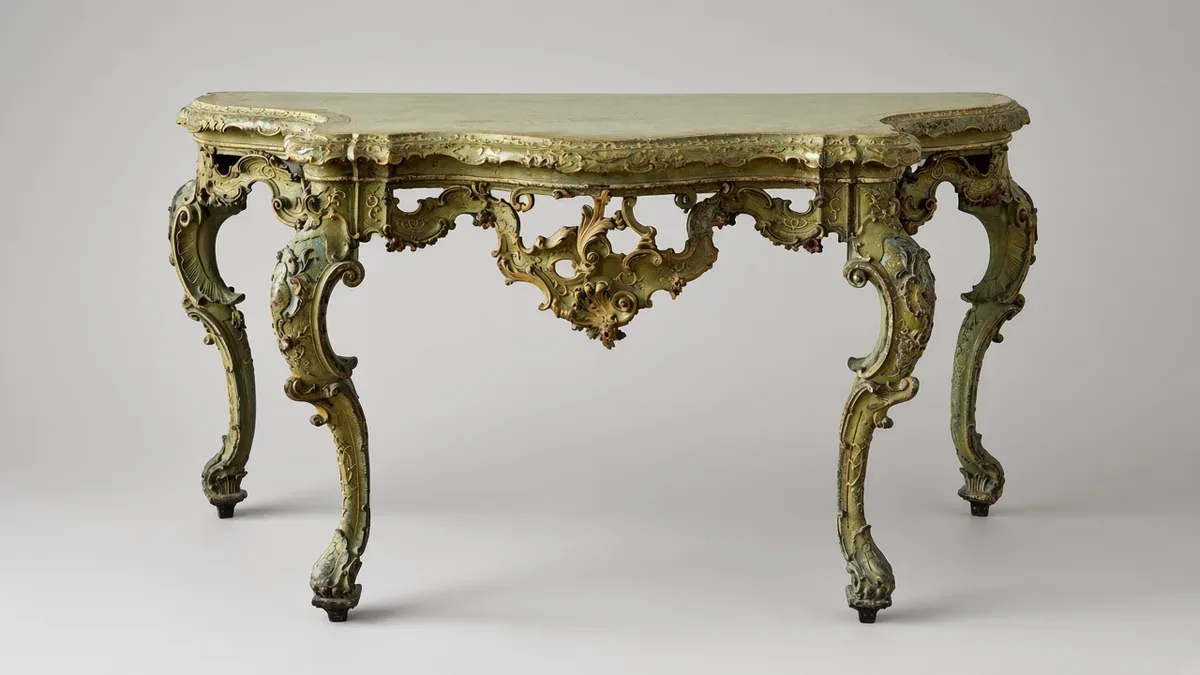
How to identify Italian antique consoles by city: Roman giltwood, Genoese rocaille, Venetian painted lacquer, and marble tops that are often later.
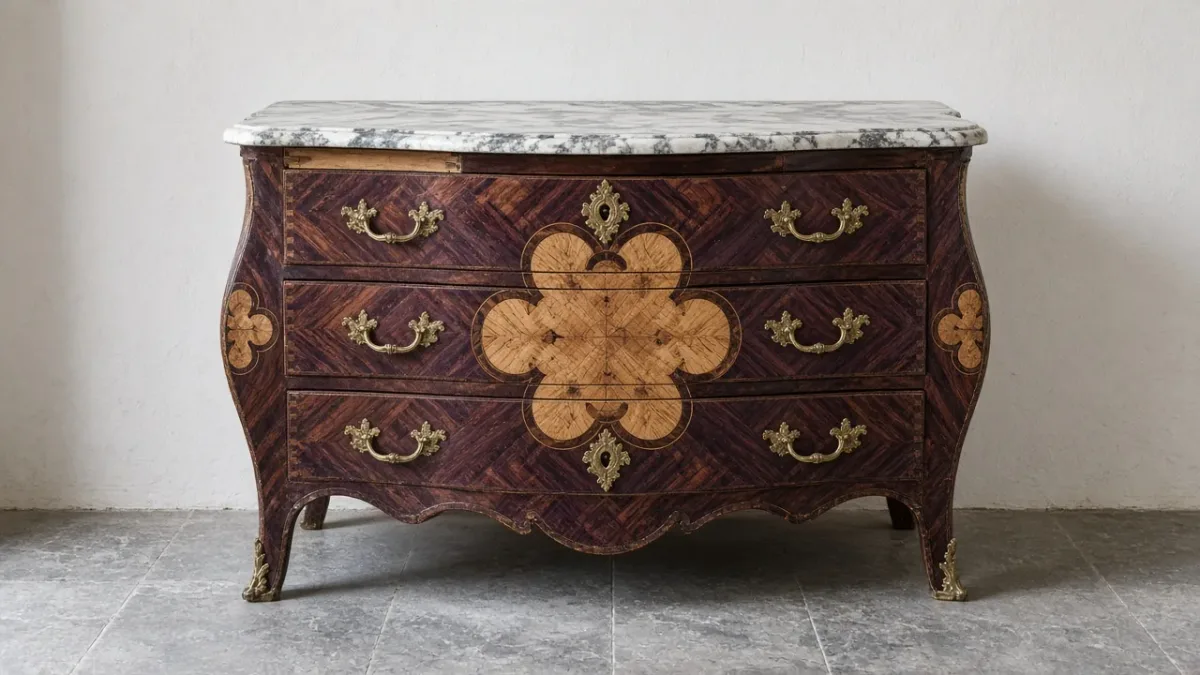
Italian antique commodes of the 1700s differ by city. Genoa uses quadrifoglio veneer; Venice, lacquer; Turin, Piffetti mounts; Sicily, carta di Spagna.
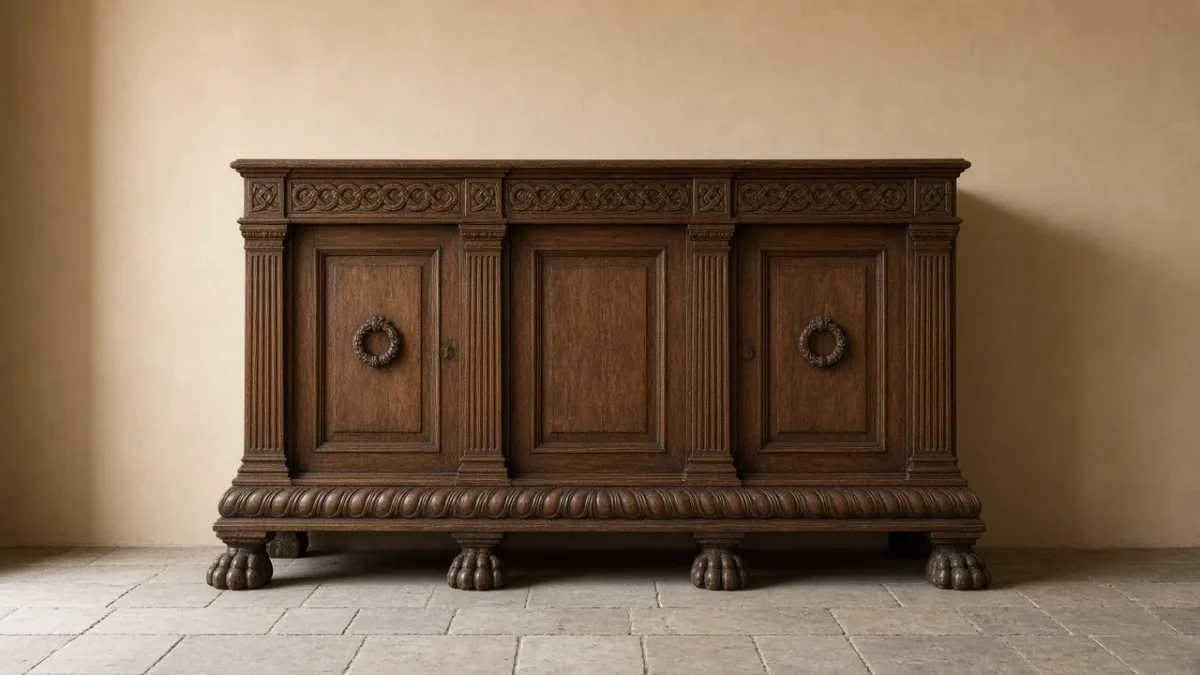
Florentine antique furniture in walnut: credenze, lettucci and Grand-Ducal stipi, distinguished from later nineteenth-century revival carving.
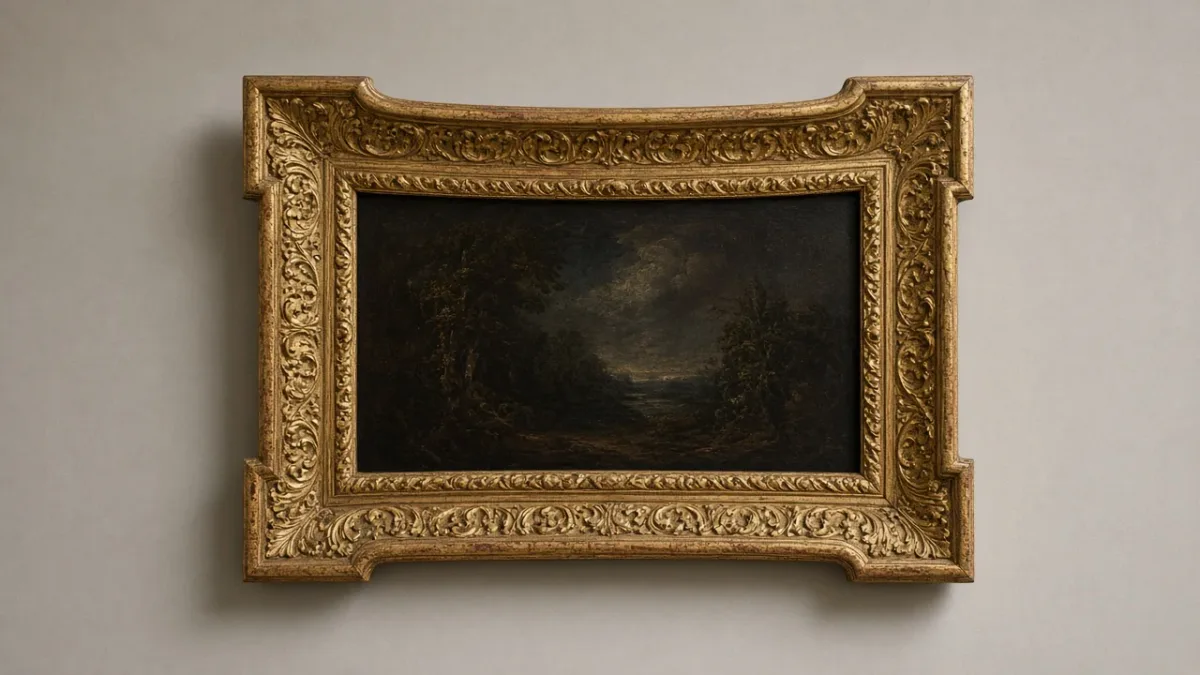
Italian giltwood frames from Rome and Florence are identified by cassetta and Maratta profiles, water gilding on bole, and later English workshop copies.
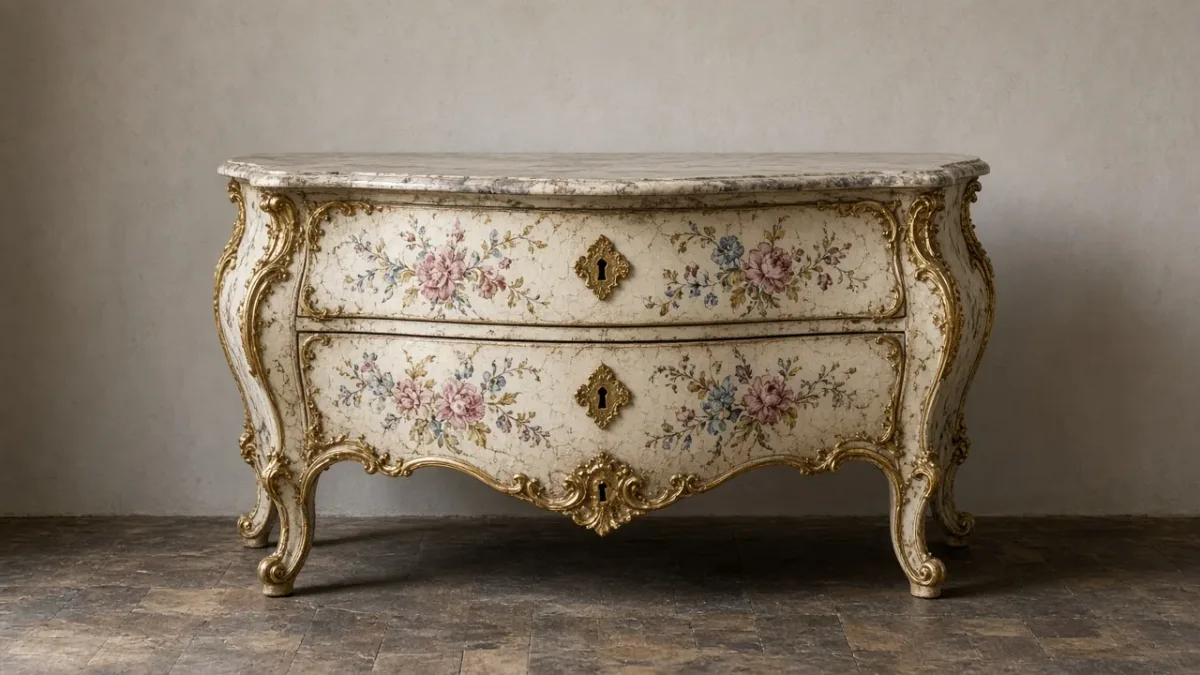
Venetian lacquer furniture of the eighteenth century is dated by sandarac varnish, gesso grounds, and arte povera prints cut from Remondini sheets.
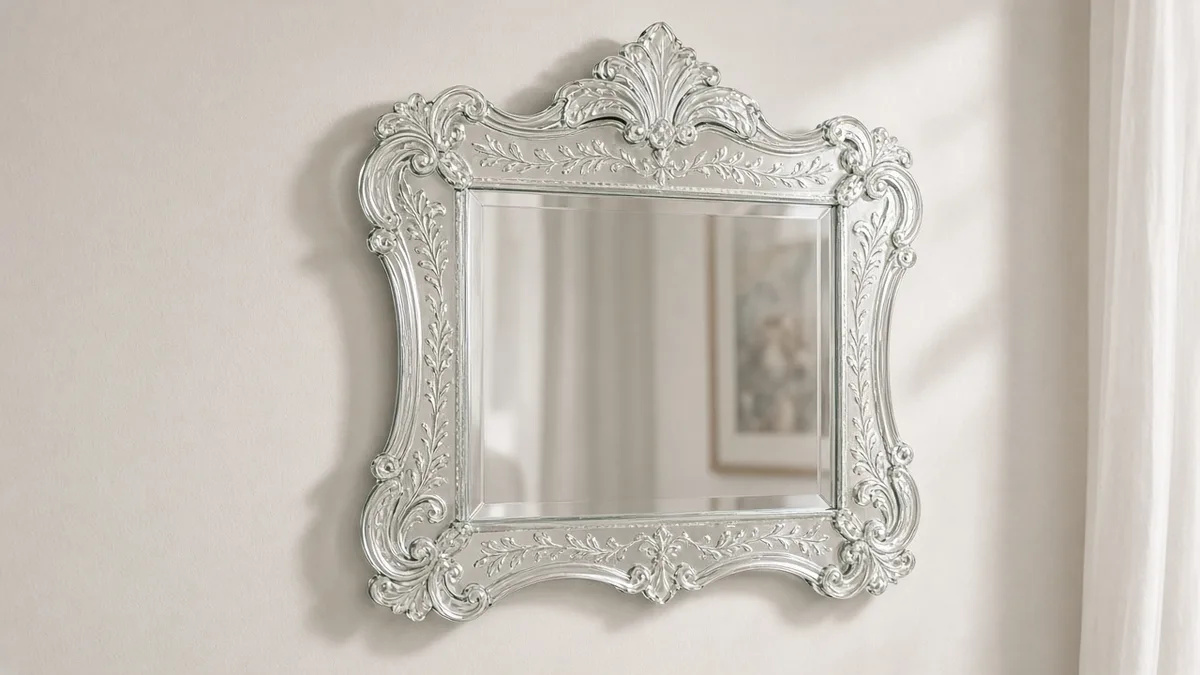
How to identify antique Venetian mirrors: Murano crystal glass, tin-mercury backing, glass frames, and what separates later copies from Venetian work.
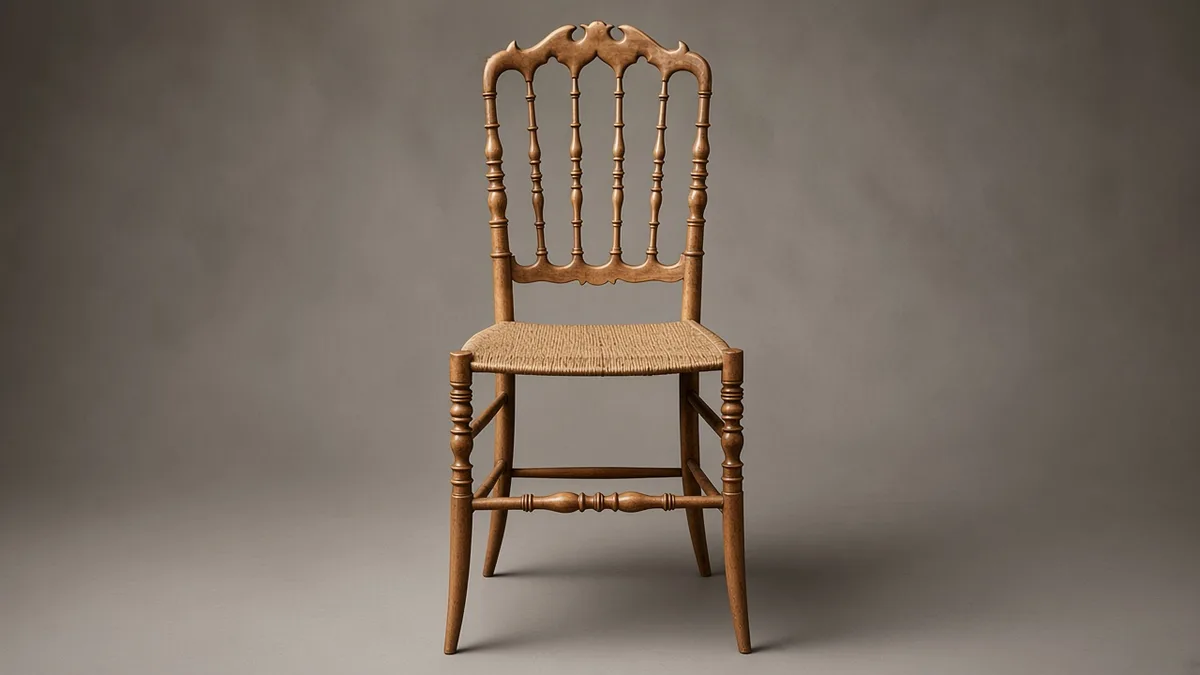
How to recognise a Chiavarina chair: Descalzi’s 1807 campanina, willow seats, Ligurian woods, district variants, and how it differs from Ponti’s Superleggera.
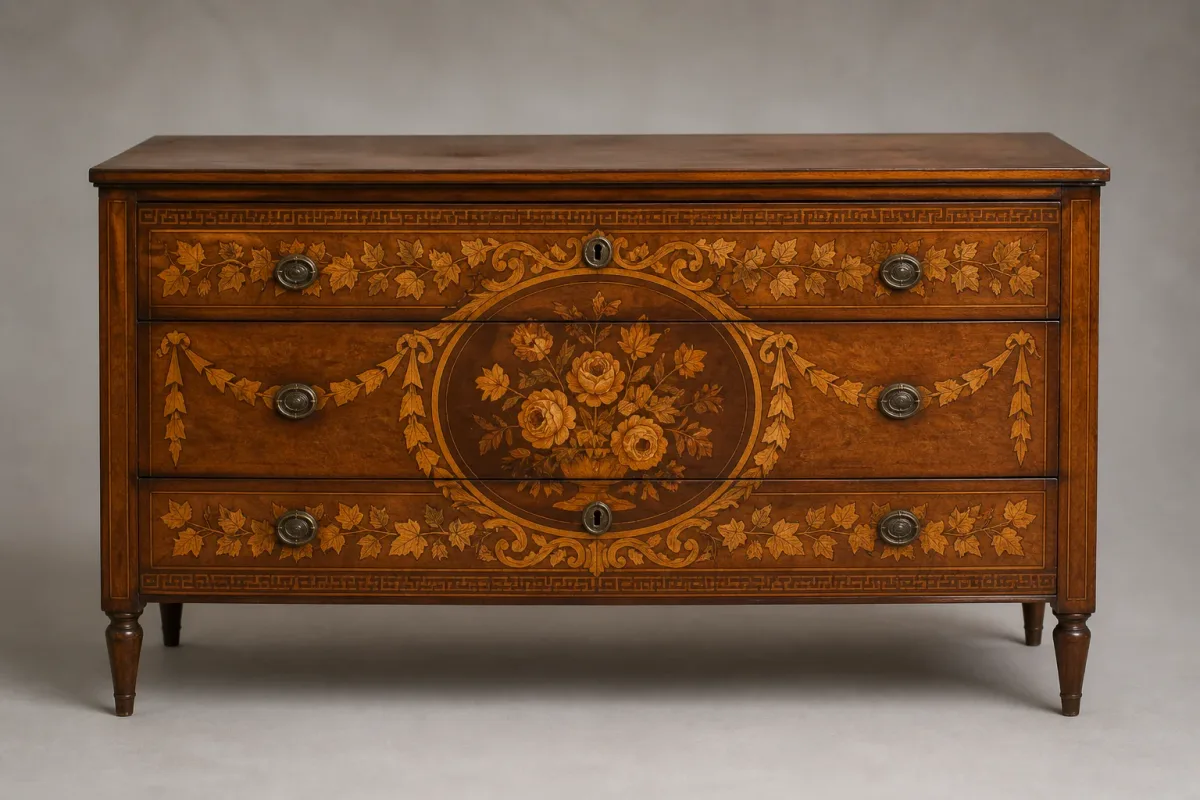
Identify antique Italian marquetry furniture: Maggiolini cassettoni, Piedmont ivory inlay, Sorrento tarsia, and how workshop pieces differ from later copies.
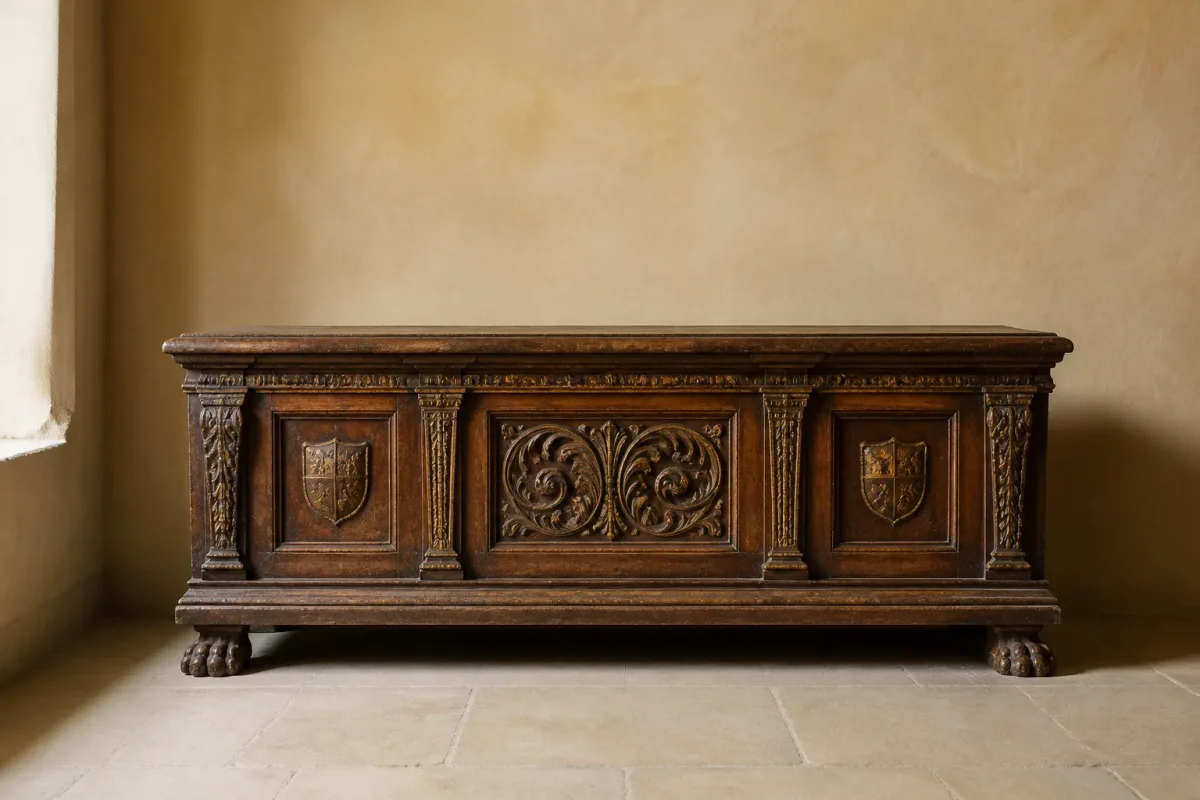
Identify antique Italian furniture by period and region: cassoni, walnut carving, Venetian lacquer, Maggiolini marquetry, and 19th-century revival.