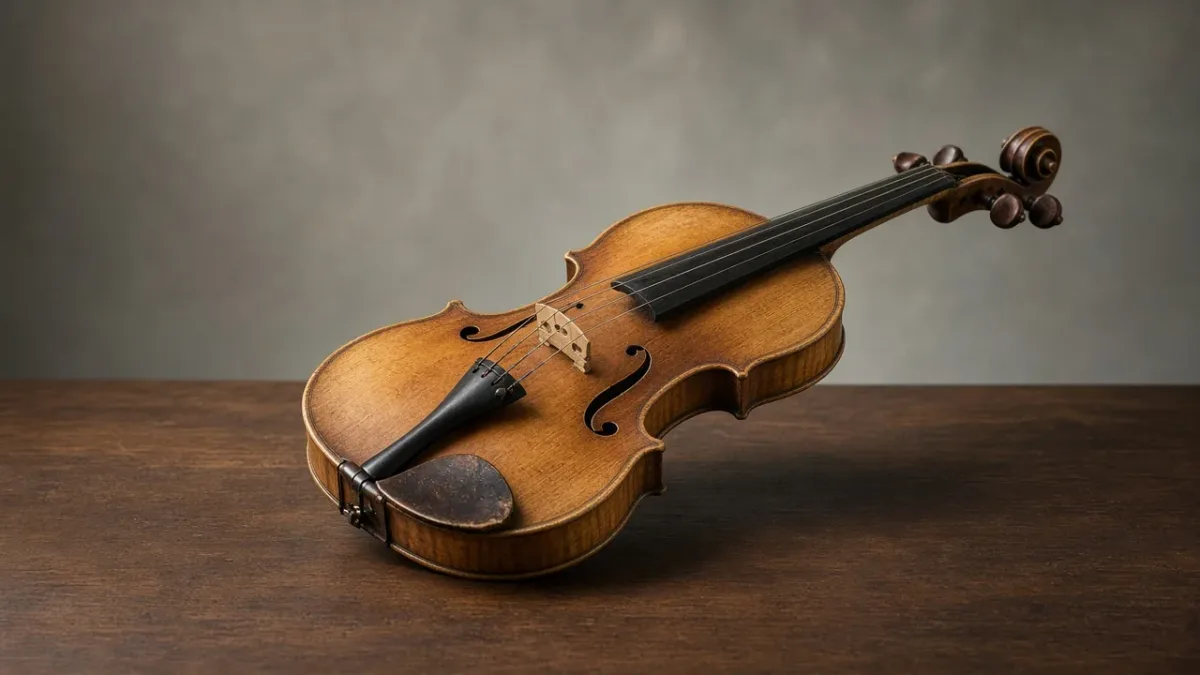
How to Identify Antique Italian Violins by Label and Construction
How to identify antique Italian violins by label and construction. Cremona, Naples, Venice and Turin schools, and the facsimile labels collectors still misread.
Search the collection
Titles, descriptions and article text — try a maker, mark or material.
Musical instruments are among the most labelled and the least well labelled objects in the Italian trade. A violin paper that says a famous town and a famous year is a claim, and it was printed in quantities. The outline, the purfling, the varnish at the edges and the blocks inside are the attribution. Neapolitan mandolins have a bowl of ribs, a bent soundboard and workshop labels that can be checked against construction in the same way. Instruments were repaired as a condition of being played. A neck graft, a new fingerboard or a replaced bass bar can be honest work and still must be seen, because it changes what is being sold. These articles explain how to read an Italian instrument from the outside and from the label without treating the label as a certificate. They are written for collectors who need the vocabulary of the workshop.
2 articles
How to identify antique Italian violins by label and construction. Cremona, Naples, Venice and Turin schools, and the facsimile labels collectors still misread.
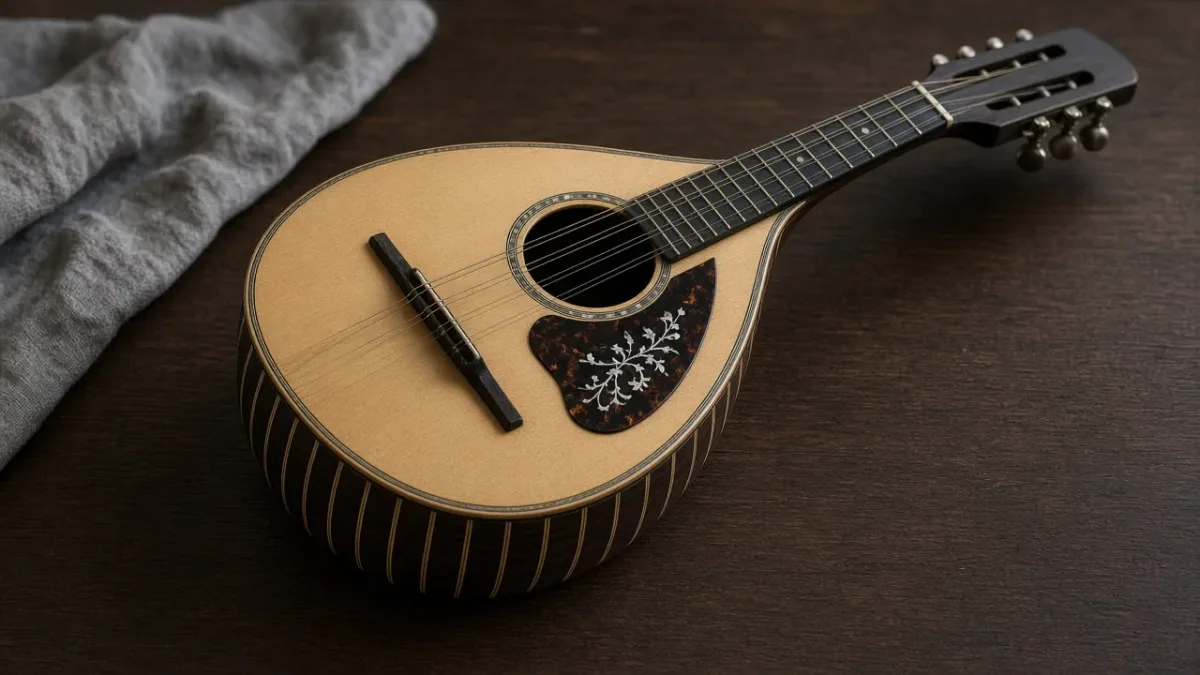
Antique Italian mandolins are dated by bowl construction, soundboard cant, and workshop labels from Naples and Rome, especially Vinaccia, Calace and Embergher.