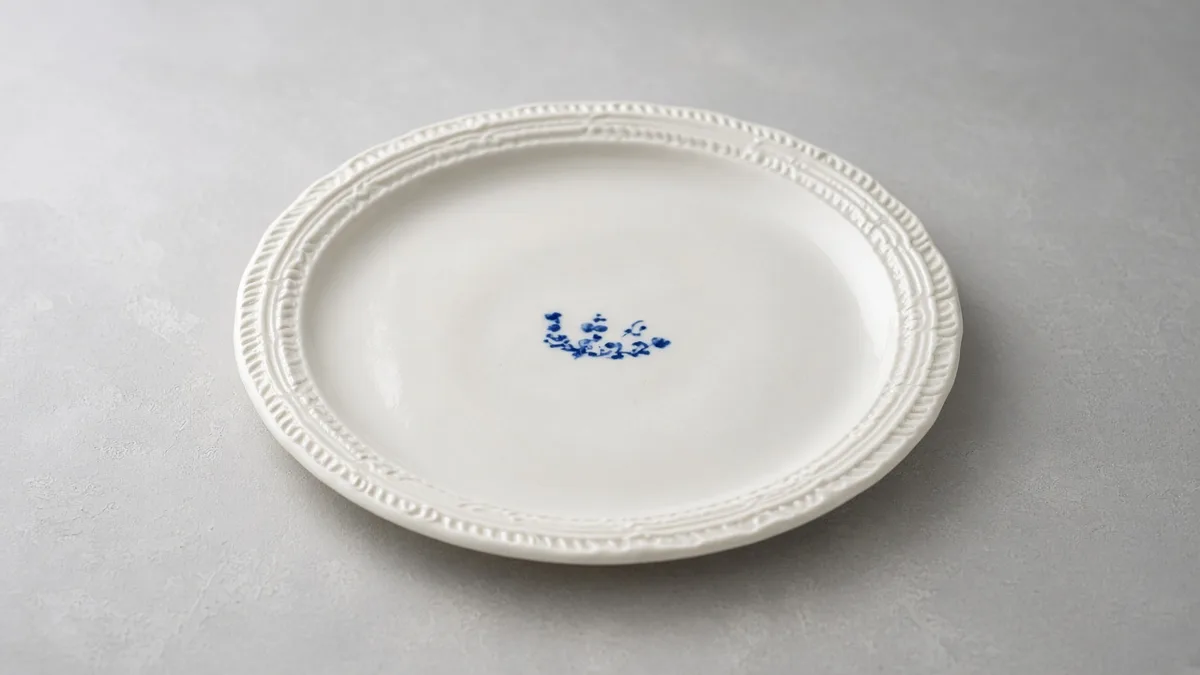
Porcelain
Richard Ginori Marks: Doccia Porcelain Dating Guide
Identify Richard Ginori and Doccia porcelain marks from Museo Ginori bands: stars, crowns, SCRG, three-star stamps and Sesto Fiorentino codes.

Search the collection
Titles, descriptions and article text — try a maker, mark or material.
Porcelain is a different material from maiolica, and it should be judged as a factory product. The Italian names collectors meet first are Capodimonte and the Naples royal works, Doccia and later Richard-Ginori, and Vezzi in Venice. Each used a paste that behaves in its own way at the rim, with moulded figures, painted flowers or armorial services, and a mark that later makers copied. A crowned N does not by itself prove eighteenth-century Capodimonte. Look at translucency, weight, how the glaze fits the foot, and whether the mark was impressed, painted or printed. Soft-paste figures chip at fingers, flowers and bases. A later cast is often sharper, lighter and too clean under the base. These articles follow the factories, the Doccia marks and the difference between an eighteenth-century figure and a nineteenth-century revival or a tourist piece. Tin-glazed pottery stays on the ceramics page.
3 articles
Identify Richard Ginori and Doccia porcelain marks from Museo Ginori bands: stars, crowns, SCRG, three-star stamps and Sesto Fiorentino codes.
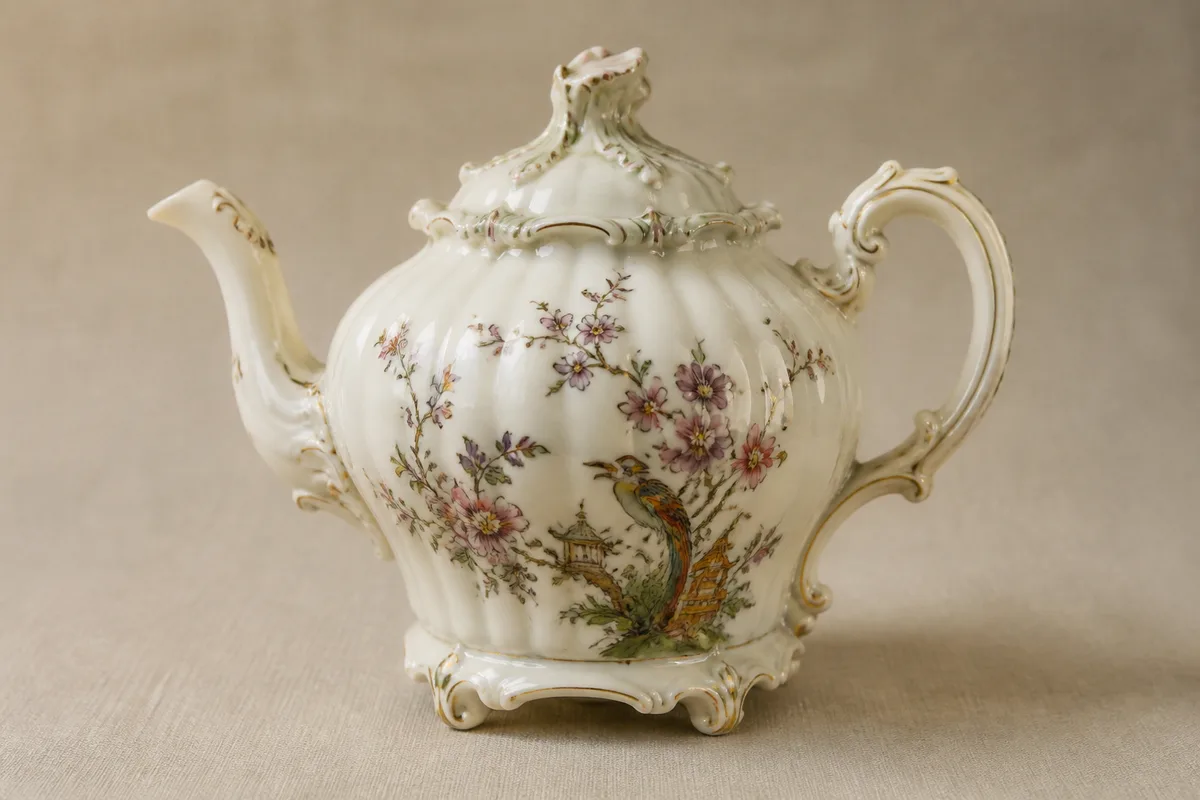
A collector's guide to Capodimonte porcelain: Bourbon royal factory history, soft-paste characteristics, marks, authenticity tips, and market value.
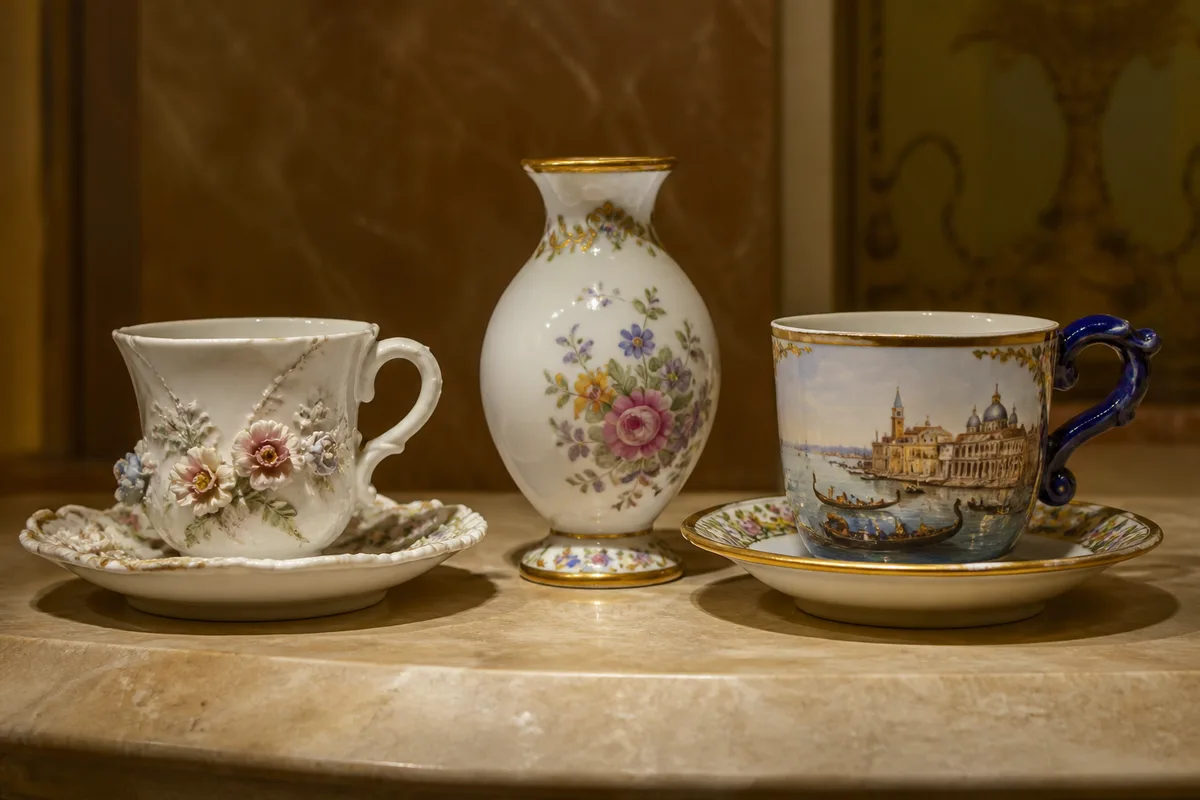
Discover the history of Italian porcelain, from Vezzi and Capodimonte to Vinovo, Doccia and Ginori, and learn how Italy's great porcelain traditions evolved.