Castellani Jewelry and the Roman Archaeological Revival, 1814–1927
Identify authentic Castellani jewelry by the crossed-C mark, granulation and construction, with the Roman workshop history and verified auction prices.
Search the collection
Titles, descriptions and article text — try a maker, mark or material.
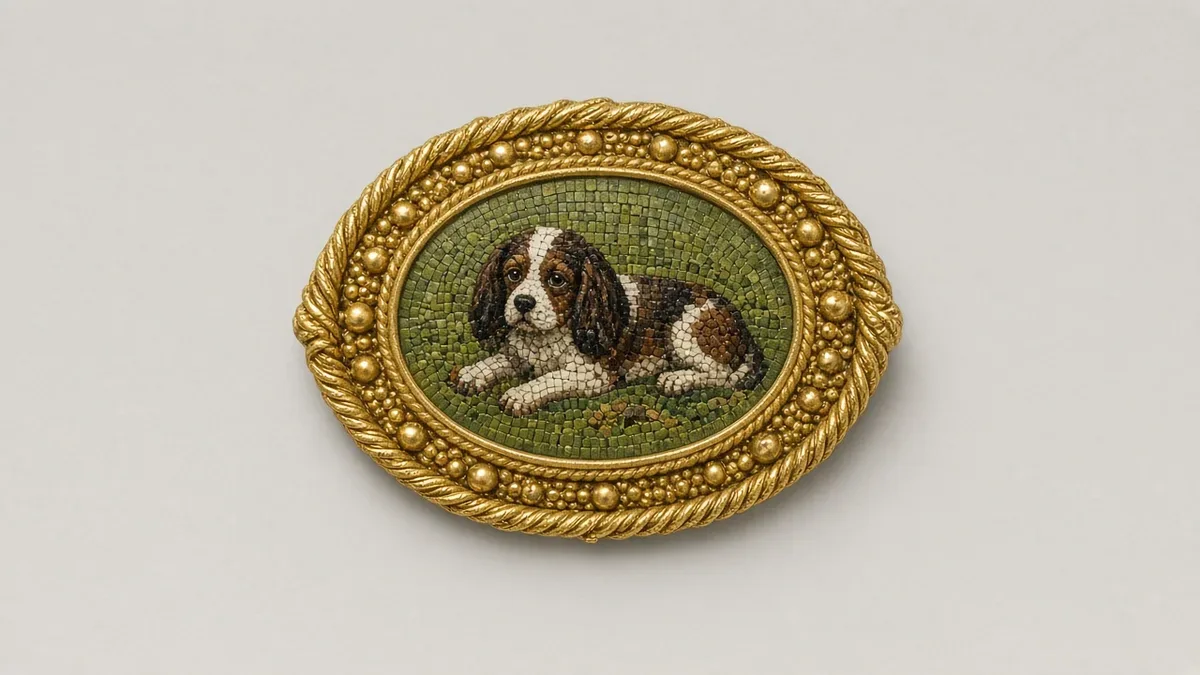
Italian jewelry is a workshop trade with a long revival habit. Archaeological-style gold, coral from Torre del Greco, shell cameos, micromosaic panels set in Roman gold, and the Art Deco jewels associated with makers such as Ravasco do not share one test. Construction comes before the story. Look at how a pin is hinged, whether a catch has been replaced, how a coral branch was cut, and whether a cameo sits in a mount of the same period. A famous name on a later box does not date the jewel. Signatures were added, and archaeological motifs were still being made for tourists long after the nineteenth-century revival. These articles separate a documented workshop piece from a later jewel that only borrows the look: the weight of the gold, the back of the setting, and the wear that should appear where a piece was actually pinned.
5 articles
Identify authentic Castellani jewelry by the crossed-C mark, granulation and construction, with the Roman workshop history and verified auction prices.
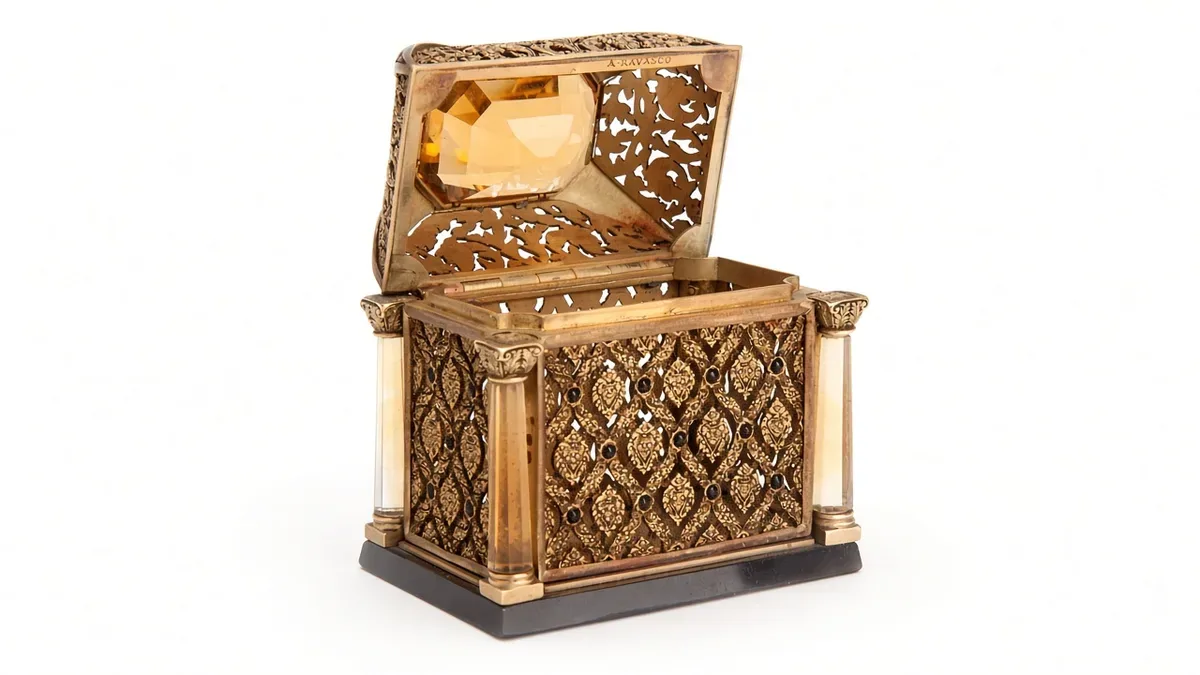
Period Italian Art Deco jewelry is identified by Ravasco hardstone objects, Janesich and Cusi platinum mounts, and the 1934 lozenge maker marks.
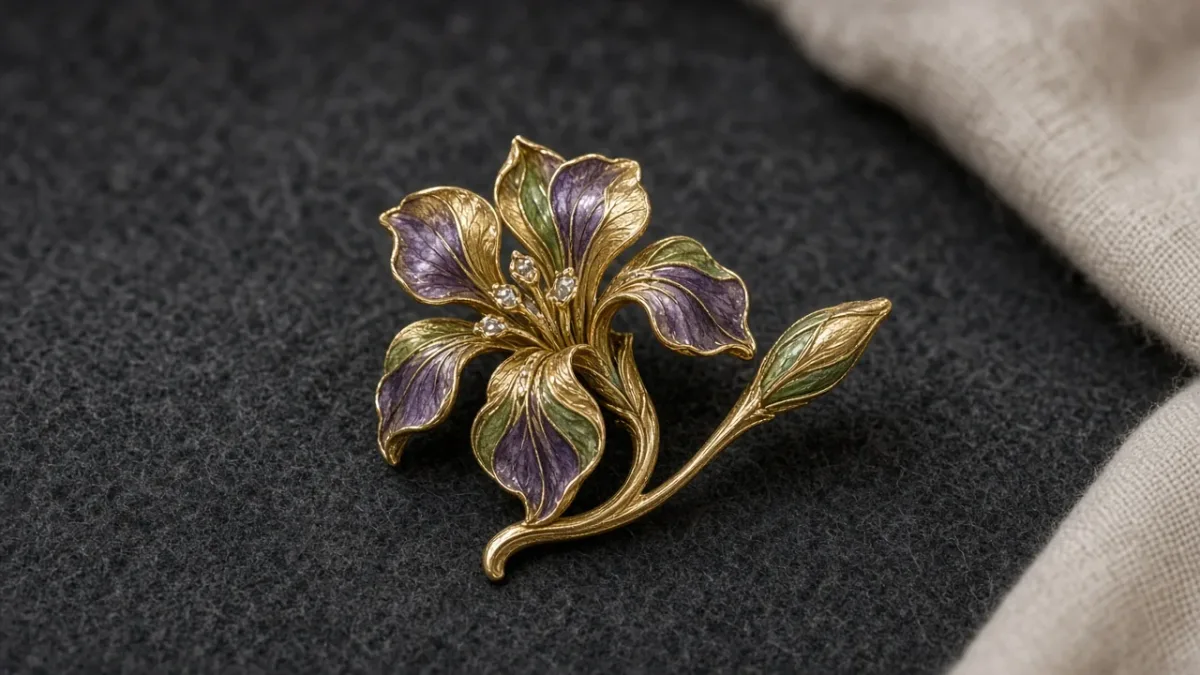
Period Italian Art Nouveau jewelry is identified by 750 gold marks, enamel, and workshops such as Musy and Calderoni, not by floral motifs or later copies.
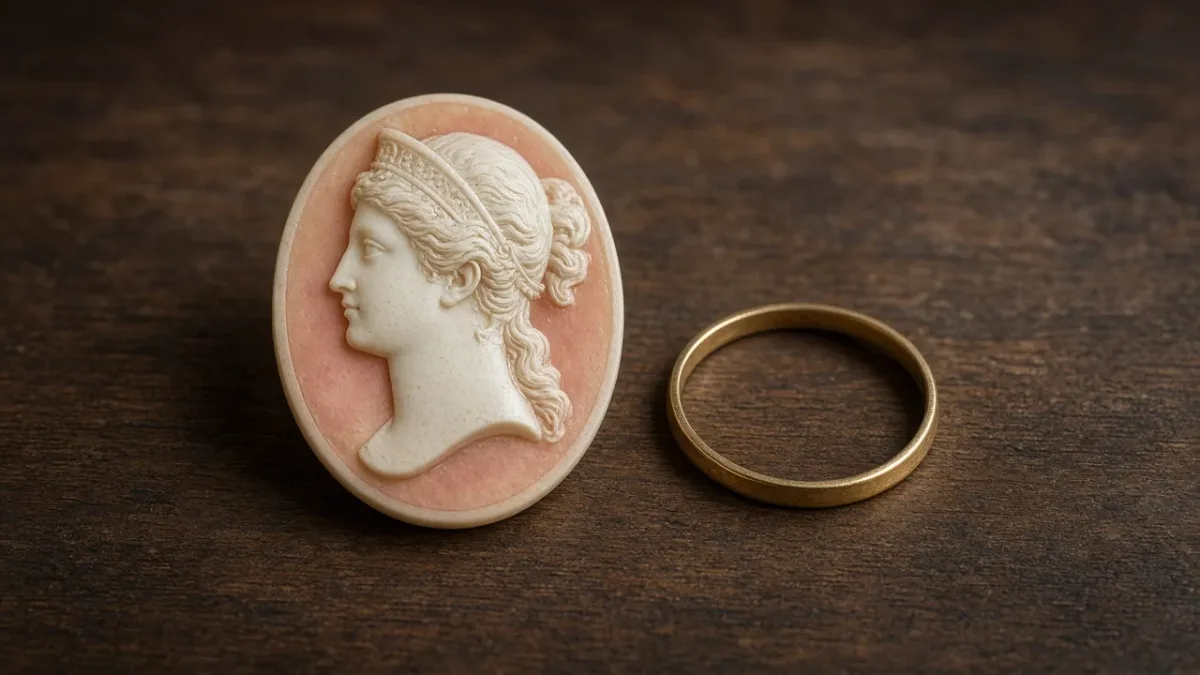
Torre del Greco cameos are layered helmet-shell carvings. Date them by Cassis colour, burin work, gold or 800 silver mounts, and later tourist copies.
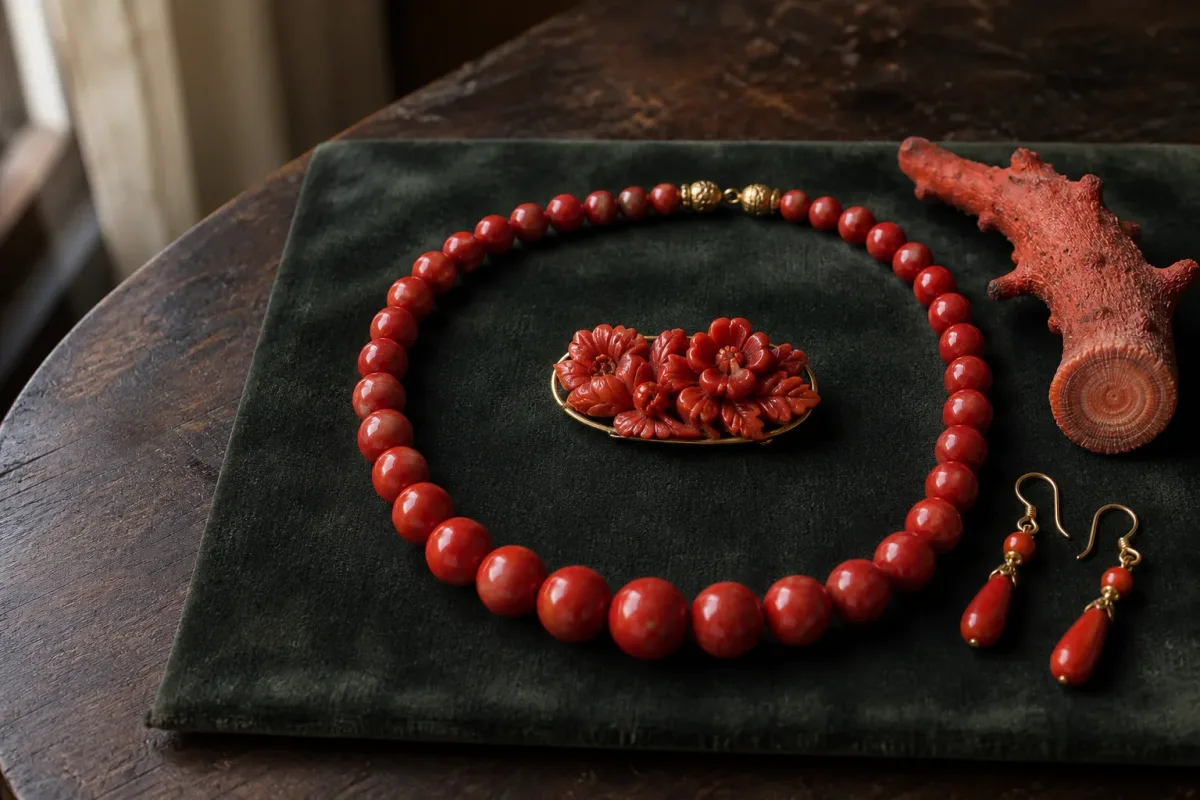
Identify Torre del Greco coral: Naples workshop history, Corallium rubrum colors, Sciacca material, and how collectors date antique Italian coral jewelry.